
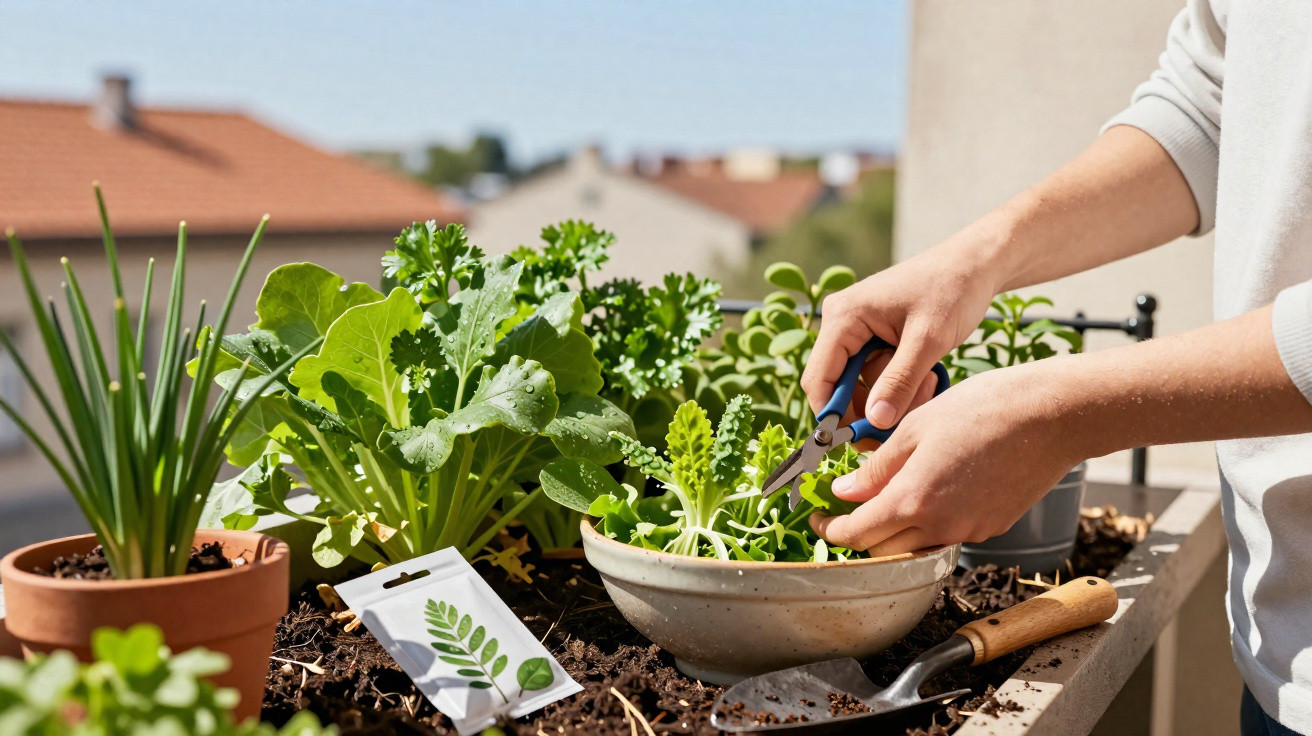
While many amateur gardeners are still eagerly awaiting their first radish or spinach harvest in March, a quiet star is already at work beneath the soil: winter purslane, also known as miner’s lettuce. This delicate herb is already pushing fresh leaves above ground – and its nutrient density easily outperforms many familiar vegetables.
The March marvel in the vegetable patch: what makes winter purslane so special
Originally from North America, winter purslane (Claytonia perfoliata) has become naturalised across many parts of Europe. It grows both wild and in gardens, making it an excellent fit for a natural, low-maintenance vegetable patch.
“Winter purslane provides fresh greens in late winter and spring, when most other beds are still nearly empty.”
Its main advantages at a glance:
- particularly rich in vitamins, especially vitamin C
- supplies minerals including magnesium and iron
- grows at temperatures only just above freezing
- has a mild, slightly nutty flavour with hardly any bitter compounds
- can be foraged in the wild or deliberately grown in the garden
This herb comes into its own at a time when many people are more susceptible to infections and fresh, outdoor-grown vitamins seem scarce. While iceberg and lettuce are still some way off, miner’s lettuce is already ready to pick – right outside the door.
How to identify miner’s lettuce in the garden and countryside
Once you have consciously noticed this herb, you will spot it again and again. Even so, many people initially mistake it for just another weed and pull it out of their beds.
Typical features of winter purslane
- small, juicy green leaves that are round to spoon-shaped
- leaves often sit around the stem like small plates, which inspired its common name
- delicate, hollow stems with very little woody growth
- tiny white flowers in loose clusters, mainly during spring
- a preference for cool, relatively damp locations
You will often find miner’s lettuce:
- along the partially shaded edge of beds
- beneath shrubs or hedges
- in damp meadows
- at woodland margins
Anyone foraging for wild plants should always be certain about what goes into the basket. Although winter purslane is unlikely to be confused with problematic species, a reliable identification guide or course can help build confidence.
Growing winter purslane: an easy addition to the garden
For anyone without suitable places to forage, growing it in the garden or on a balcony is a straightforward alternative. Given the right conditions, miner’s lettuce is almost self-sufficient.
Step by step: from seed to a March harvest
| Step | Period | Advice |
|---|---|---|
| Sowing | October to February | Sow early to enable harvesting in March |
| Germination | after 1–3 weeks | Cool temperatures encourage germination |
| Growing period | winter to spring | Keep the soil moist; no strong fertiliser is required |
| First harvest | 4–6 weeks after sowing | Cut leaves carefully, leaving the centre of the plant intact |
Just a few basic rules are enough for a successful bed:
- Position: partial shade to sun, but avoid relentless full sun during high summer
- Soil: loose, humus-rich and fairly evenly moist
- Care: water regularly, avoid waterlogging and do not add fertiliser
- Harvesting: cut leaves or whole rosettes just above soil level
Those who sow miner’s lettuce in autumn can often enjoy their first small harvests as early as January or February. By March, the herb is at its best and can provide fresh greens almost every day.
Ideal for balconies and windowsills
No garden? No problem. Winter purslane grows just as reliably in a balcony trough or a bowl on a windowsill.
- choose a shallow trough or pot at least 8–10 cm deep
- use loose organic compost or herb compost
- cover the seed only lightly, as it needs light to germinate
- place the pot somewhere bright, but not directly behind a scorching south-facing window
On a windowsill, miner’s lettuce combines well with other miniature vegetables: cress, radish leaves or broccoli sprouts broaden the nutrient range and add variety to the bowl – and later to the plate.
How healthy miner’s lettuce really is
Many people use winter purslane chiefly as a crisp replacement for salad leaves. A closer look soon reveals that these inconspicuous leaves offer far more.
“Winter purslane is a classic ‘micro-vegetable’: little bulk, but concentrated nutrients.”
Important nutrients
- Vitamin C: supports the immune system and helps the body absorb iron
- Magnesium: important for muscles, nerves and energy metabolism
- Iron: involved in transporting oxygen through the blood
- Secondary plant compounds: have antioxidant properties and may help reduce inflammatory processes
- Fibre: helps to support digestion
In traditional folk medicine, miner’s lettuce has mainly been used in three areas: strengthening the body during cold season, gently supporting digestion and soothing irritated skin. Crushed fresh leaves can be applied as a poultice to minor skin irritations, where they feel pleasantly cooling.
How to use winter purslane in the kitchen
Its major advantage over many other wild herbs is its very mild taste. Even children and people who are wary of dandelion and similar greens generally find it easy to enjoy.
Four easy everyday ideas
- Winter salad: mix miner’s lettuce with a little lamb’s lettuce, chopped apple, nuts and a light dressing.
- Green smoothie: blend a handful of leaves with banana, orange and a little water for a fresh vitamin boost.
- Quick soup: add it to vegetable soup at the end and allow it to wilt briefly rather than overcooking it.
- Pesto: blend the leaves with walnuts or almonds, garlic, oil and salt – delicious with pasta or spread on bread.
If you would like to try the flavour first, begin with a small handful of raw leaves in a mixed salad. You can then gradually increase the amount until miner’s lettuce becomes a regular part of your cooking.
Why miner’s lettuce thrives in March
Winter purslane owes its success to its adaptation to the cooler part of the year. Its seeds need a cold period before they can germinate at all. Rainy, relatively mild winters and early spring days give the herb exactly what it needs.
While heat-loving vegetables would still be shivering in March, miner’s lettuce feels entirely at home at 5 to 10 degrees. Damp air and soil that has not yet dried out create ideal growing conditions. The plant therefore takes advantage of the very period when its competitors in the vegetable patch are still dormant.
A perfect partner for other spring herbs
Several early plants work particularly well together in a typical spring bed. Miner’s lettuce fills gaps and bridges the period before other vegetables are ready to harvest.
- with cress for flavoursome sandwiches
- with lesser celandine (only before flowering!) for extra vitamin C
- with young nettle tips in soups
- with radishes for a crisp salad combination
Those who plan mixed crops carefully can harvest almost continuously: miner’s lettuce gets going very early, followed by lettuce, spinach and chard, while tomatoes and courgettes make up the summer selection.
Risks, limitations and a few honest tips
Although this herb is robust, it should not be used without a little care. As with all wild and garden herbs, introduce larger quantities gradually. People with very sensitive digestive systems may occasionally experience bloating or discomfort after eating large portions of raw greens.
Other considerations apply when foraging: do not pick plants directly beside busy roads, and avoid areas used by dogs as toilets as well as fertilised fields. In your own garden, it is worth checking where the seed comes from. Organic seed reduces exposure to residues and suits a sustainable approach to growing vegetables.
Anyone who creates a small micro-vegetable station on the windowsill will soon develop a routine. Combining miner’s lettuce, sprouts and classic cress provides a surprisingly broad range of vitamins and secondary plant compounds within just a few days – without long transport routes, plastic packaging or much need for space.
This turns an unassuming plant that many people have long overlooked into a genuine March highlight: winter purslane brings fresh, tender greens to the table before the rest of the vegetable garden has properly woken up.





Comments
No comments yet. Be the first to comment!
Leave a Comment