

Mould on stored clothes is the sort of issue that often becomes apparent only when you are in a hurry: you take an item from the wardrobe and notice an unpleasant smell and irritating little marks. Poorly ventilated wardrobes, too many clothes and trapped moisture are to blame, attacking the fibres of natural fabrics and eventually causing strong odours, stubborn stains and even tears.
Why does mould appear on stored clothes?
Mould consists of fungi that feed on traces of dirt left on clothing, including sweat, skin cells, deodorant residue, cream, perfume or detergent that has not been rinsed out properly. In a damp, enclosed space, these residues become “food” for the colony to grow, particularly in wardrobes placed against a cold wall or in homes located in very humid areas.
Over time, the colonies spread through the fabric, producing velvety specks. They are easier to spot on light-coloured garments, although they can affect dark clothes too, where the smell of clothes kept in storage is often the first warning sign. If the issue is not tackled, the fungus can spread to other garments, drawer linings, shelves and even nearby fabric bags.
How does mould affect fabric over time?
Mould on clothes starts when spores cling to the fabric surface, especially on areas that are damper or dirtier, and release substances that “digest” this organic residue. This activity causes dark marks and the familiar “closed wardrobe smell”, indicating that the fungi are active there.
When the garment remains stored for a long period, the fungus works its way into the fibres, thinning the material and creating weak spots. This is particularly noticeable in silk and viscose, which can tear easily. Damage develops more slowly in denim and heavyweight cotton, but stretched, worn patches may appear, or the fabric may tear precisely where mould has been present for the longest time.
How to remove mould stains without fading clothes
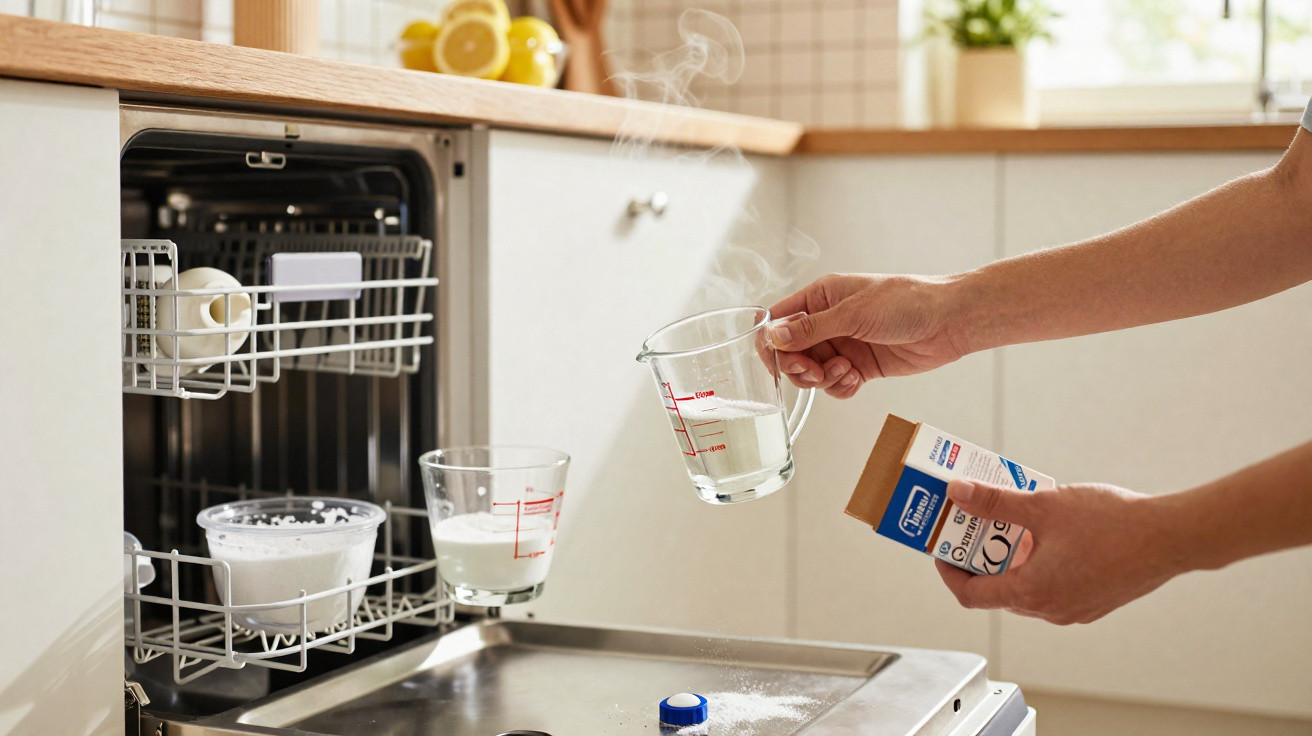
To remove mould stains from coloured clothing with less risk of fading, a common home treatment combines water, white vinegar and bicarbonate of soda. The vinegar helps inhibit fungi and neutralise odours, while the bicarbonate of soda helps loosen dirt attached to the fibres and is gentler than chlorine-based products.
Follow these simple steps to use the mixture safely on mouldy garments:
- Separate the mouldy item from other clothes to prevent the wardrobe from becoming contaminated.
- In a bucket or basin, mix 1 part white vinegar with 2 parts water.
- Soak the garment for 30 to 40 minutes, ensuring the stained areas are fully covered.
- Remove the item and apply bicarbonate of soda directly to the damp stains.
- Rub gently with your hands or a soft brush, using light movements.
- Rinse thoroughly under running water to remove the vinegar and bicarbonate of soda.
- Wash as usual with a mild detergent and, if possible, dry in the sun.
Always test the solution on a concealed area, such as an inside hem, before using it on the entire garment, particularly for delicate or brightly coloured fabrics. For sensitive clothes, shorten the soaking time and simply massage the fabric to avoid damaging the fibre structure.
How to stop mould returning to stored clothes
A straightforward and effective way to prevent mould on clothes is to put garments away only when they are completely dry and to air the wardrobe regularly. This lowers the moisture level inside, makes conditions less favourable for fungi and reduces the likelihood of the problem returning, especially in seaside homes or very rainy towns.
It is also helpful to leave wardrobe doors open for a few minutes each day, avoid overcrowding shelves, and place dehumidifier sachets or tubs in drawers and storage compartments. When these measures are combined with regular cleaning inside the wardrobe and prompt removal of any mould growth, clothes are more likely to last longer, retain a like-new appearance and smell fresh for much longer.





Comments
No comments yet. Be the first to comment!
Leave a Comment