

Many hobby gardeners face their herb beds with uncertainty as winter draws to a close: where lush green rosemary stood in summer, there are now brown tips, dried needles and branches that appear lifeless. The quick decision is often to pull it out and plant a replacement. That is precisely where the problem starts. In many cases, the shrub is still surprisingly alive – it is simply sending a clear signal of stress.
Why rosemary turns brown in March
Rosemary originates from the Mediterranean region. While nights there can be cool, it rarely experiences the constant combination of hard frost, wet conditions, wind and glaring winter sunshine found in central Europe. For the plant, this is a real test of endurance.
Common causes of brown shoots in late winter include:
- Frost drought: When the ground is frozen, the roots cannot take up water. At the same time, sun and wind continue to draw moisture from the plant, so the needles effectively dry out.
- Waterlogging in winter: Particularly in pots, permanently wet compost combined with cold weather damages roots and causes sections to die back.
- Winter sun and night frost: Shoots thaw during the day and freeze again at night. Plant cells burst, leaving branches looking scorched later on.
- Incorrect autumn fertilising: Heavy feeding late in the year encourages rosemary to produce soft growth, which is especially prone to frost damage.
- An unsuitable variety: Some varieties are considerably more sensitive to cold than others and develop brown tips more quickly.
Brown needles in March usually indicate stress – not automatically the death of the whole rosemary plant.
How to spot genuine frost damage on rosemary
Gardeners who reach for the secateurs immediately often remove more living material than necessary. Before cutting anything away, inspect the plant closely and carry out the so-called “scratch test”.
Typical signs of dead shoots
- Shoots feel translucent, soft, mushy or rubbery.
- The bark comes away easily when scratched with a fingernail.
- There is no green beneath the bark; instead, the tissue is brown to black.
- Needles drop off when you lightly run your hand along the branch.
What living wood looks like
- The needles may be brown, but they remain firmly attached to the shoot.
- Scratching the bark reveals a green, moist layer underneath.
- Only the side facing the sun is damaged, while the side facing a wall or shrub remains green.
- Dense green growth is still visible in the centre of the plant.
Growth of this kind can suddenly reshoot in April and May, even if it looked dead in March.
It is not the calendar that determines when to prune, but what is still alive beneath the bark.
What to do with brown rosemary in March
At this stage, rushing is more harmful to the shrub than the cold itself. A few carefully chosen measures improve its chances of making a full recovery.
Sensible care now: gentle attention rather than drastic treatment
- Water lightly on frost-free days, especially plants growing in pots.
- Shield it from cold easterly or northerly winds, for example with a wooden screen or horticultural fleece.
- Insulate containers using wood, a coir mat or polystyrene.
- Do not apply fertiliser until well into spring.
- Remove only sections that are badly rotten, leaving the rest in place for now.
What you should definitely avoid now
- Hard pruning while night frosts are still possible.
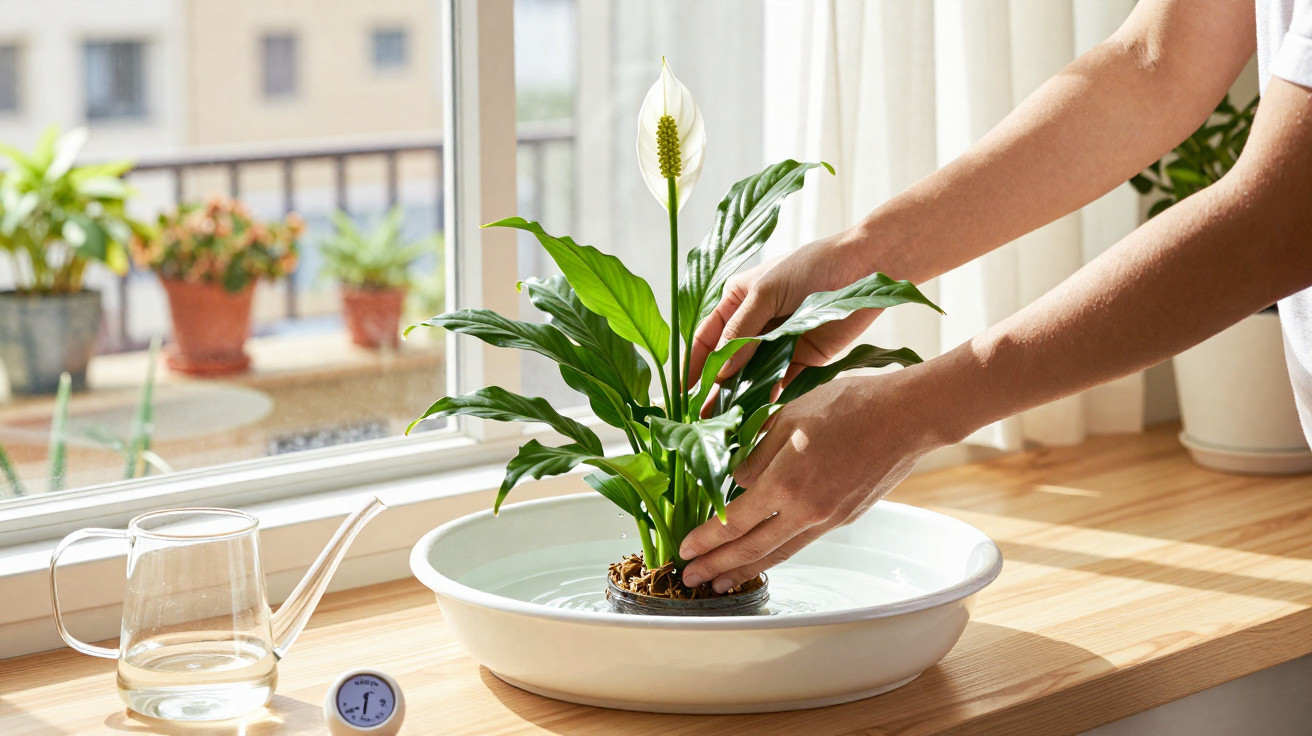
- Compost that remains wet, particularly a saucer left full of water in winter, which is disastrous for the plant.
- Moving it into a warm, dark indoor space. Rosemary needs light and fresh air.
- Repotting in cold weather, as this places further stress on the roots.
Many plants fail to get through winter only because they are watered, pruned or moved incorrectly afterwards.
These rosemary varieties cope better with frost
Not all rosemary is the same. Anyone wanting fewer winter losses in a garden bed over the long term should look for hardy varieties when buying plants. This overview provides some guidance:
| Variety | Characteristic | Frost tolerance |
|---|---|---|
| Rosmarinus officinalis | Classic culinary rosemary with an upright habit | Low to medium; briefly down to around –8 °C, but only in a dry site |
| ‘Arp’ | Hardy garden variety with vigorous growth | High; one of the most winter-hardy options available |
| ‘Blue Winter’ | Relatively compact and strongly scented | Medium to good; needs free-draining soil without waterlogging |
| Creeping rosemary (Rosmarinus prostratus) | Ground-covering, ideal for the tops of walls | Low; better suited to mild areas or a protected winter position in a pot |
| ‘Veitshöchheimer Rosmarin’ | Special selection for cooler regions | Good, provided the soil stays loose and free-draining |
If you garden in an exposed or colder area, varieties such as ‘Arp’ or ‘Veitshöchheimer Rosmarin’ are a far less worrying choice. They will tolerate an extra frosty night now and then.
The right time to prune rosemary
The biggest mistake is cutting back hard out of concern in January or February. Doing so removes reserves that rosemary urgently needs for new growth.
When using secateurs makes sense
- Once no severe frosts are forecast.
- When the first pale green new tips begin to emerge.
You can then proceed step by step:
- Cut only into green wood, stopping at the point where fresh tissue is still visible.
- Remove dried-out branches that are clearly dead completely.
- Shorten the plant in several stages rather than cutting it back extremely hard in one go.
The more healthy wood remains, the faster rosemary can form a dense, aromatic shrub again.
Site, soil and pots: preventing brown rosemary shoots
A few straightforward adjustments can greatly reduce the risk of brown patches next winter.
The ideal position in the garden
- Sunny, warm and sheltered from cold winds.
- Slightly raised, such as in a raised mound bed or on top of a wall.
- Soil that is fairly sandy, gritty and well drained; improve it with horticultural grit or coarse sand if necessary.
Managing rosemary in containers correctly
- Use only pots with a large drainage hole.
- Empty saucers regularly in winter so the plant does not sit with “wet feet”.
- Place the pot on wood or polystyrene to stop cold rising directly from below.
- Water more sparingly in containers, as rosemary is much more sensitive to wet conditions than to short periods of dryness.
Why brown rosemary often still has a chance in spring
Many shrubs look bleak at the end of February or the beginning of March, yet suddenly produce fresh growth from April onwards. This is because the plant stores energy in its woody parts and sends out new shoots only once temperatures rise.
It is typical for strong new branches to appear first from the centre of the shrub or just above ground level, while older tips remain dead. This appearance tempts gardeners to act too soon. Those who wait can often see which sections are still capable of recovering.
One further point is frequently overlooked: rosemary is a subshrub. Old wood becomes heavily woody and is reluctant to reshoot from very old branches that have been cut back hard. Regular, moderate shaping in spring keeps the shrub younger and denser, making it less vulnerable to frost damage too.
Practical examples from everyday garden beds
A typical garden situation is a mature rosemary planted in the ground that looks half dried out after a wet winter. Rather than digging it up, it is only lightly thinned in April, the soil is improved with a little horticultural grit, and it is given a wind-sheltered spot against a house wall. By summer, the brown areas are barely visible.
With balcony plants, several problems often occur at once: a small pot, little compost, plenty of wind and intense winter sunshine. In this case, a larger container with free-draining compost and a clear watering routine are worthwhile. Give it a small amount of water on frost-free days, and pour away any standing water in the saucer immediately – this allows rosemary to survive for several years even in towns with cold winters.
So, if you find your shrub brown and miserable in March, do not reach for the spade straight away. A close inspection, some patience and a few targeted actions are usually enough for this Mediterranean stalwart to smell strong again in summer – rather than ending up on the compost heap.




Comments
No comments yet. Be the first to comment!
Leave a Comment