
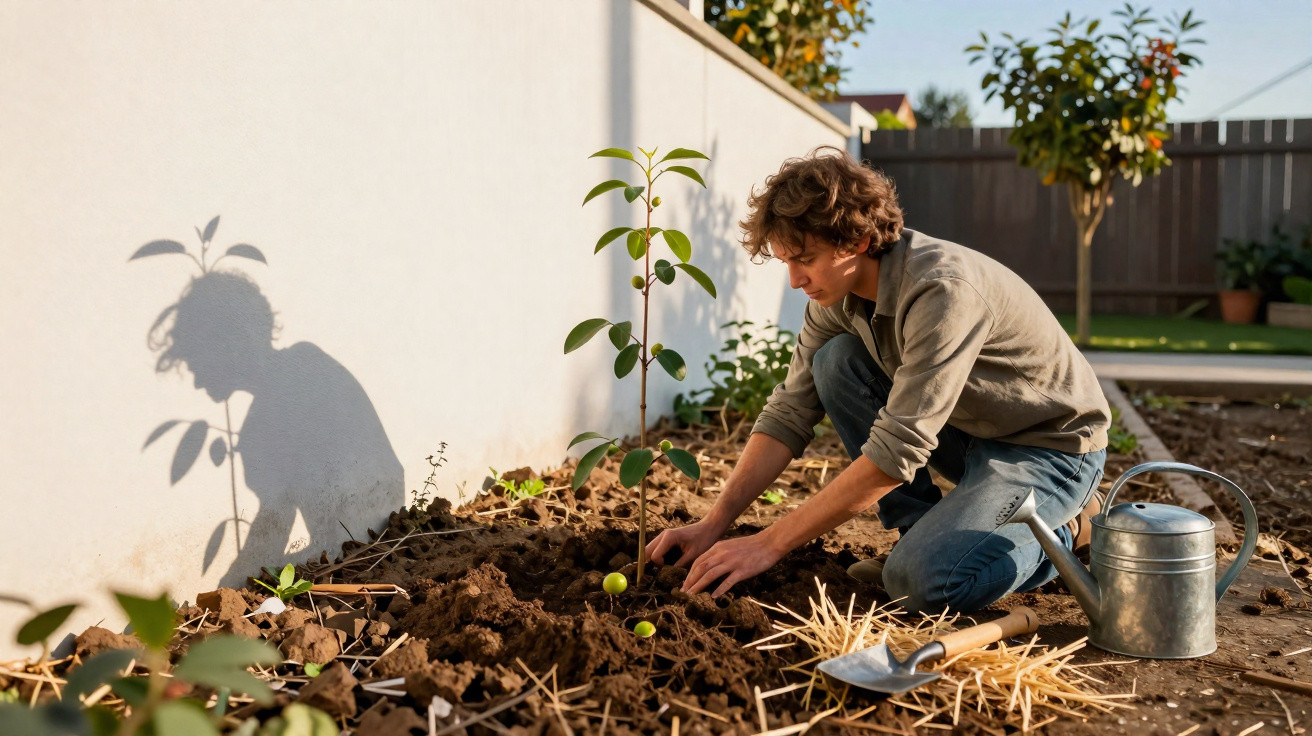
Many gardens are still dormant for winter, but the planting season is already beginning. Apples, cherries and plums are not the only options: one tree that is scarcely known in the UK is now attracting attention, despite being hardy, undemanding and exceptionally productive. Anyone prepared to plant one now, in late March, while following a few straightforward principles, could be enjoying vitamin-rich “dates” from their own garden within just a few years.
A nearly forgotten fruit treasure: why the Jujube tree is so appealing
The focus here is the Jujube, also called the Chinese date. Originally from Asia, it is botanically one of the tougher fruit trees. It is a traditional garden tree in many areas, yet it remains a niche choice here - quite unfairly.
It produces small fruits about the size of an olive, each with a firm skin. Once ripe, their flavour combines sweet apple notes with the gentle taste of a date. Depending on their ripeness, they can be eaten fresh, dried, candied, or turned into purée, syrup and baked goods. They contain a notable amount of vitamin C, and the fruit has traditionally been used as a home remedy during winter.
“Anyone who wants to water very little while still expecting plenty of fruit is making an excellent choice with the Jujube.”
The Jujube tree is especially interesting for gardeners in hot, dry areas. It tolerates high temperatures, manages with little water and is considered highly resistant to many common fruit-tree diseases. This makes it particularly well suited to modern, wildlife-friendly gardens where conserving resources matters.
Why late March is the key planting window
Warm soil for roots, rather than a cold shock
Apple and pear trees are ideally planted in autumn, but the Jujube is better introduced to the garden slightly later in the year. The best time is during the final week of March, or in early April depending on the region, once the soil has warmed a little.
- The ground is no longer icy cold, allowing the roots to begin growing sooner.
- Late frosts have generally passed, so young shoots are less likely to freeze.
- Spring moisture provides a natural reserve of water without creating persistent wetness.
Planting too early can cause a young tree to stall because cold soil suppresses root development. Conversely, if planting is left too late, a young Jujube may not establish enough root mass before its first winter.
Rule 1: Plenty of sunshine - the location determines the harvest
Choose a fully south-facing position, not a shady corner
Jujubes thrive on heat and light. A sunny site is therefore not merely advisable; it is essential. A position facing south or south-west in full sun is ideal, preferably close to a wall or house wall that stores warmth.
Suitable locations include:
- the warmest, most sheltered part of the garden
- a spot beside a house wall that receives daytime sunshine
- a slope or slightly raised site, where the air warms more readily
“Every additional hour of sunshine will later be reflected directly in the quantity and sweetness of the fruit.”
Shade cast by mature trees, hedges or buildings slows growth, leaving the tree weak and limiting fruit set. Those with only a partly shaded garden should generally choose a different type of fruit tree.
Rule 2: Excellent drainage - drainage is almost indispensable
Waterlogging is the hidden main enemy
Although the Jujube tree is extremely tolerant of drought, it reacts badly to continually wet soil. Its fine roots can quickly rot in heavy loam or clay ground in particular. This can result in poor new growth, brown leaves and, in the worst case, total loss of the tree.
Before planting, carry out a quick soil check. If rainwater remains on the surface for a long time, or soil sticks to your fingers when squeezed, the ground is very compact. In that situation, proper drainage is the only effective solution.
Practical measures include:
- Dig a planting hole at least twice as wide and deep as the root ball.
- Put a layer of coarse gravel or coarse sand in the bottom of the planting hole.
- Mix the excavated soil with sand, grit or fine gravel until it has a crumbly texture.
- Avoid using pure compost or heavy, wet potting compost.
“A soil that is slightly lean but open is far better than one that is nutrient-rich and puddled.”
Gardeners dealing with particularly wet ground can also plant the Jujube on a small mound. The raised root area dries out more quickly and is better protected against waterlogging.
Rule 3: Two trees for bowls full of fruit - why neighbours matter
A companion tree unlocks more of the yield potential
Many sellers describe the Jujube as self-fertile. This is partly true, since a single tree can certainly bear fruit. However, yields are substantially better when two different varieties are planted close to one another. Bees and other insects can then pollinate between the trees.
This provides several advantages:
- more flowers are successfully fertilised
- a higher number of fruits on each tree
- more reliable harvests from one year to the next
Anyone with sufficient room should therefore plant at least two Jujube trees of separate varieties. This creates a small mini-orchard that looks attractive while providing insects with an additional food source in summer.
The correct spacing: do not plant too closely
The trees should not, however, be placed too near each other. A planting distance of four to five metres in every direction is recommended. This gives the canopy and roots enough space without the trees competing for light.
| Aspect | Recommendation |
|---|---|
| Distance between two Jujube trees | 4–5 metres |
| Distance from a house wall | at least 2 metres |
| Final height | around 3–5 metres, depending on variety and pruning |
Adequate spacing ensures good airflow through the canopy. Moisture dries more quickly, giving fungal diseases very little opportunity to develop. Expensive fungicides are therefore usually unnecessary.
Rule 4: Water correctly - generously at first, then hardly at all
The first thorough watering after planting is crucial
Immediately after planting the tree, there is one frequently overlooked task: the settling-in watering. This makes sure no air pockets remain around the roots.
Proceed as follows:
- Place the tree in the planting hole, refill with soil and firm it gently.
- Slowly pour at least one 10-litre bucket of water over the planting area.
- Add more soil if necessary when the ground visibly settles.
“This first generous watering gently presses the soil against the roots and prevents the root ball from drying out later.”
Over the following weeks, the young tree needs only moderate but targeted watering. Soil around the root zone should remain slightly moist, but it must never become wet.
Save water and protect the soil with mulch
A thick ring of mulch around the trunk acts as natural insulation. Straw, woodchip or leaf compost are particularly suitable. Mulch retains moisture in the soil, keeps it cooler during summer and offers protection from severe frost in the first winter.
A rule of thumb for watering during the first year:
- In a mild spring, check once a week whether the top layer of soil has dried out.
- During hot spells, water deeply, then allow the soil to dry again.
- From autumn onwards, water only during prolonged dry periods.
Once the tree is firmly rooted, it requires very little extra water. Established Jujubes cope remarkably calmly even with extended dry spells.
How to tell whether the Jujube tree has established well
A few weeks after planting, it becomes clear whether the location is suitable. Fresh, light-green leaves and short new shoots show that the tree has settled in successfully. If there is no new growth at all, check soil moisture carefully and look for possible frost damage.
The tree needs very little fertiliser, particularly in its first few years. A small amount of mature compost applied once a year in spring is usually enough. Too much fertiliser encourages wood growth rather than fruit production.
Exotic fruit from your own garden: practical ways to use it
As the fruit ripens, its colour changes from green to yellowish and finally brownish. It is at its most flavoursome at this stage. Many gardeners eat it straight from the tree, much as they would cherries.
If the harvest exceeds what can be eaten fresh, there are several possibilities:
- halve the fruits and dry them in a dehydrator or oven
- preserve them with honey for use as a spread
- add them to muesli, yoghurt or baked goods
Drying concentrates the sugar and creates a softer texture that is more reminiscent of traditional dates. The home-grown fruits can therefore replace some of the sugar in recipes.
For anyone seeking a long-lived, low-maintenance yet unusual fruit tree, the Jujube is a surprisingly practical choice. With the right planting time, plenty of sunshine, effective drainage and a sensible start to watering, there is little standing in the way of a generous harvest from the garden.

Comments
No comments yet. Be the first to comment!
Leave a Comment