
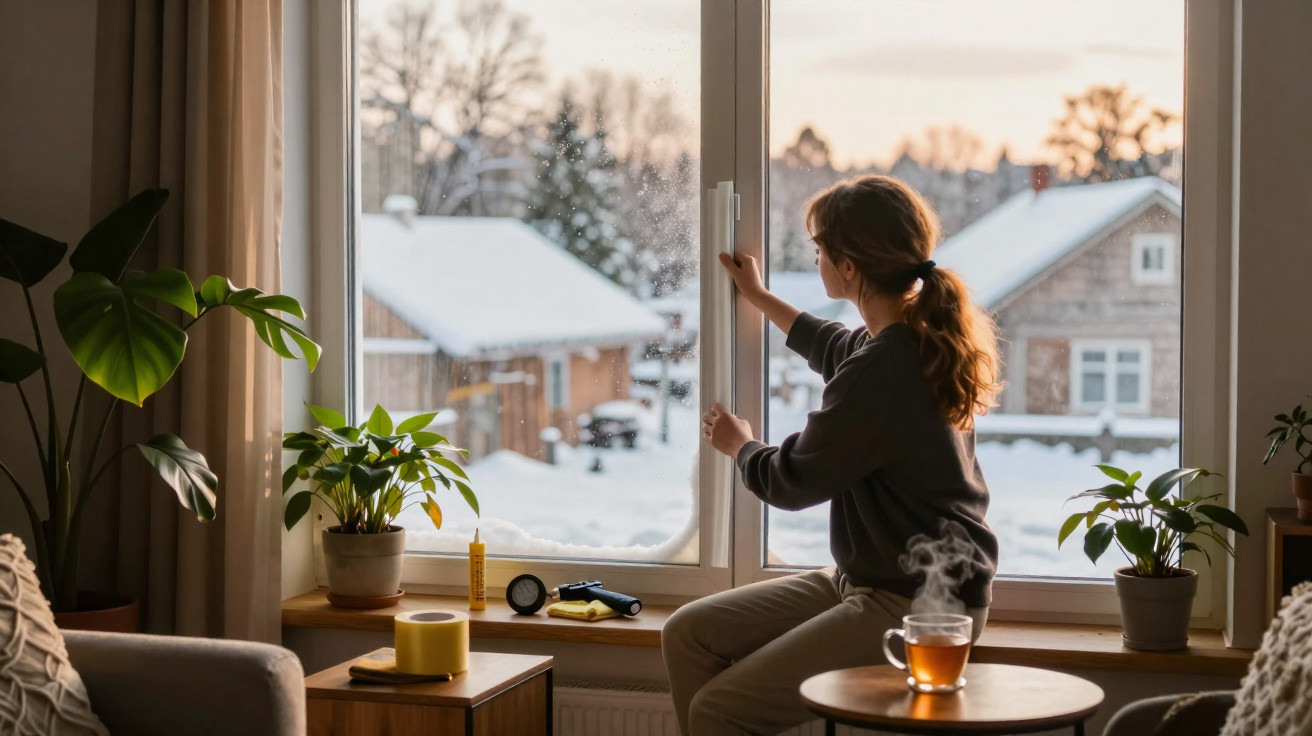
Keeping rooms welcoming through the colder seasons calls for smart, practical measures that prevent energy waste. Using effective ways to shield your home from icy draughts and troublesome excess condensation around window frames provides ideal thermal insulation while protecting your furnishings and maintaining complete home comfort.
How does proper insulation improve the indoor climate?
Sealing window and door frames properly stops cold draughts from entering and keeps warmth indoors for far longer. Preventing icy air from passing through small gaps lowers the need for continuous heating and delivers excellent energy efficiency, improving wellbeing in every room in a straightforward and highly sustainable way.
Careful control of airflow also greatly reduces moisture forming on interior surfaces. Measures that keep external cold at bay stabilise the indoor climate and help prevent structural damage caused by excessive water-vapour build-up on walls, resulting in exemplary home preservation and a much healthier environment.
- South Korean tradition: Clever use of physical barriers in gaps to retain indoor warmth.
- Masking-tape application: A temporary, affordable method for stopping unwanted draughts.
- Glass window protection: Reduces direct thermal exchange with the freezing outdoor environment.
- Use of grain alcohol: An effective chemical solution that prevents surfaces from continually misting up.
- Humidity control: Dramatically cuts internal condensation on severe winter days.
What are the best sealing solutions on the market?
Buying products specifically designed to stop draughts brings lasting, professional results to the property. Modern sealing products offer excellent weather resistance and provide a secure fit without damaging structural finishes, delivering considerable household practicality and durable home protection.
When choosing the best materials to protect rooms from intense cold, favour adjustable items that are easy to handle and clean regularly. Selecting high-quality accessories prevents frequent maintenance and ensures a complete barrier against dust and small insects, combining strong technical functionality with excellent value for money.
To find out more about applying these practical improvements to your home’s window and door frames, watch the detailed explanatory video on Disfoil’s YouTube channel:
How can you prevent misted-up glass on cold days?
The temperature contrast between a heated interior and freezing conditions outside causes water droplets to gather on transparent surfaces. Using products that change the material’s surface tension stops vapour from adhering, preserving visibility while supporting excellent internal organisation and impeccable household hygiene.
Invisible Protection Against Condensation
Water-Repellent Action of Grain Alcohol
Applying this substance carefully forms an invisible protective film that continuously repels water, preventing windows from turning opaque or developing mould as a result of excess vapour produced in an enclosed home environment.
This straightforward method keeps materials transparent and makes daily care of the home’s infrastructure easier, reducing the need for constant, exhausting cleaning during the most humid months of the year.
To achieve a flawless, long-lasting result when maintaining transparent surfaces, several essential cleaning steps must be followed carefully. Using the right techniques protects the structure and strengthens the effects of moisture barriers, creating a routine of home care and exceptional practical efficiency:
- Clean the entire surface with a soft microfibre cloth to remove built-up dust.
- Apply the protective solution evenly in steady circular movements to prevent localised marks.
- Maintain minimal, controlled ventilation during warmer hours to balance indoor relative humidity.
Why should indoor humidity be controlled in winter?
An excessive concentration of water vapour in enclosed spaces harms air quality and speeds up the deterioration of finishes and furniture. Treating surfaces and sealing gaps prevents the growth of harmful fungi and extends the life of the materials present, ensuring excellent structural preservation and outstanding family wellbeing.
Choosing the right preventive methods has a direct effect on the maintenance routine and on saving resources for future repairs. Adopting simple preventative habits stabilises the home’s microclimate and safeguards the whole family against the harmful effects of saturated air, expertly combining property care with high environmental safety.
The main benefits observed from rigorously controlling condensation and cold draughts indoors are listed below:
- Effective prevention of dark stains and mould appearing on room walls and ceilings.
- A significant increase in the service life of timber, aluminium, or iron window and door frames exposed to changing weather.
- Assurance of a lighter, more pleasant indoor atmosphere, free from unpleasant odours caused by mould.
How should you plan preventative home maintenance?
Setting up a regular inspection schedule for openings around the house prevents unpleasant surprises when cold fronts arrive. Checking the condition of seals and applying protective products before harsh winter weather sets in provides complete peace of mind and keeps routines organised, reinforcing excellent home management and day-to-day peace of mind.
Over time, these small measures prevent high costs associated with complex structural renovations and replacing parts damaged by water. Protecting your property through simple preventative actions increases its value and turns the home into a welcoming safe haven, demonstrating intelligent household planning and a high building standard.

Comments
No comments yet. Be the first to comment!
Leave a Comment