
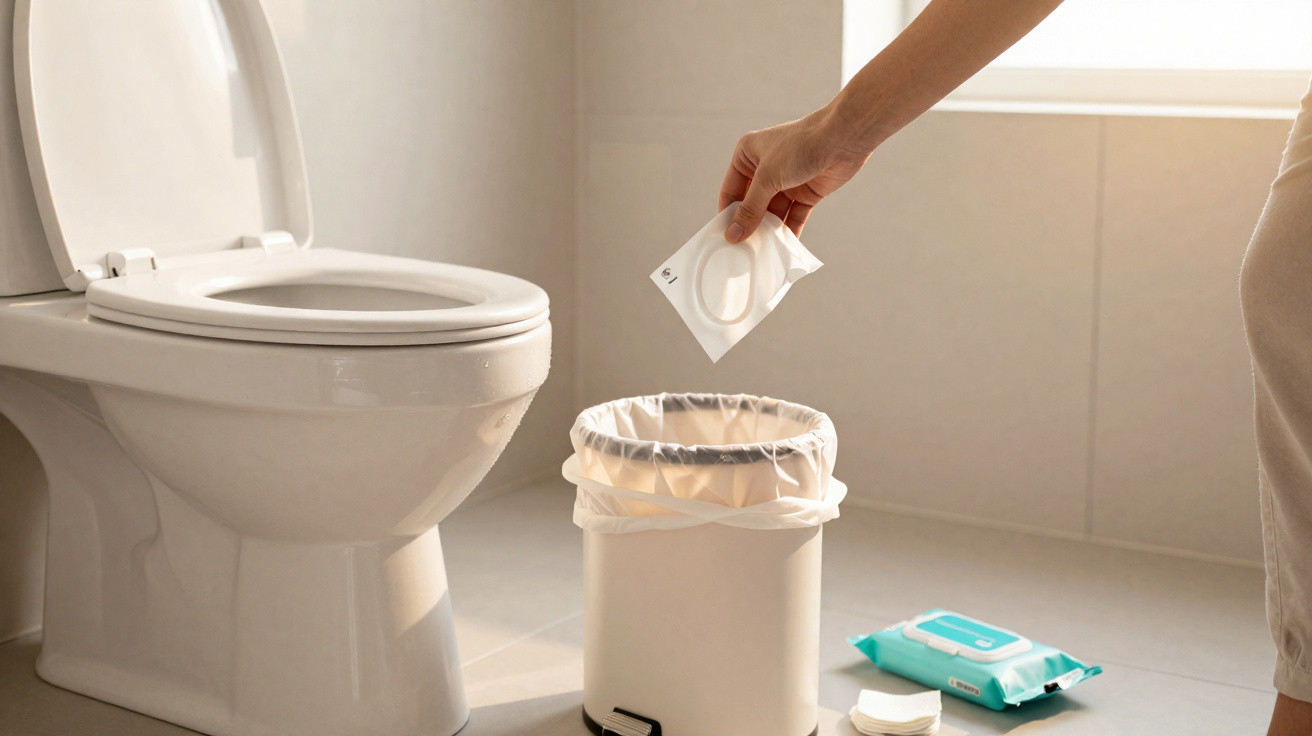
Keeping the home in perfect order requires constant attention to the smallest details of everyday life. One common habit can seriously damage the plumbing and lead to substantial financial losses through complex repairs. Disposing of waste in the toilet also harms the wider regional sanitation system.
Why does incorrect waste disposal affect a building’s structure?
A building’s drainage infrastructure requires highly specific preventative care. When unwanted waste enters the system, solid debris builds up and blocks movement through the main pipes. This issue can quickly disrupt the comfort of your home bathroom.
Older systems do not have the capacity to process certain thick materials. As unsuitable items break down slowly, they create difficult physical barriers within the network, causing severe chronic blockages. Avoiding these habits helps protect your toilet from serious faults.
- Risk of backflow: Built-up debris prevents water from passing through and can force waste back into the home.
- High costs: Calling professional plumbers to deal with deep blockages can require significant and unexpected financial outlay.
- Environmental damage: Non-biodegradable materials severely disrupt the shared system and create unnecessary pollution in urban rivers.
How does material thickness affect water flow?
Many people mistakenly assume that any thin material will immediately break apart once it comes into contact with flushing water. However, the physical composition of domestic toilet paper often gives it considerable mechanical strength, making its fibres harder to break down quickly in the plumbing.
Over time, this bulky build-up narrows the usable diameter of bends in the pipework, drastically slowing overall drainage. Prolonged retention directly compromises the hygiene of your sewer system and speeds up wear on plumbing connections.
The detailed practical demonstration shown on Splash’s YouTube channel clearly reinforces the need to protect the condition of the pipework effectively. Watch the full content on household plumbing maintenance to prevent damage to the building drainage system:
What are the main consequences of ignoring technical recommendations?
Continually disregarding basic disposal rules can create serious structural issues that are difficult to resolve. Persistent blockage produces strong reverse pressure at joints, leading to slow leaks that damage the finish of the home flooring and cause lingering bad smells.
Watch for plumbing warning signs
Important alerts
Slow drainage from the toilet is the first sign that something may be wrong with the property’s internal pipework.
Unusual noises from the pipes after flushing suggest trapped air or serious physical obstructions beginning to develop.
To prevent unpleasant surprises and keep the space in perfect order, effective preventative measures are essential. Careful organisation of the area and awareness among residents help preserve the water flow, as demonstrated by these essential daily habits:
- Place compact, hygienic pedal bins beside the toilet so that all everyday waste can be disposed of properly.
- Carry out regular cleaning with suitable products that help remove grease built up on the internal walls of pipes.
- Explain the key rules for preserving the property’s shared pipework to visitors and every member of the household.
How can effective daily prevention routines be introduced?
Creating clear organisational processes makes it easier to maintain a clean routine without household incidents. Choosing suitable waste accessories reduces contamination risks and preserves the proper operation of the water supply network, ensuring comfort in your residential property.
Small behavioural changes can prevent major problems with blocked plumbing. Following basic daily precautions supports harmonious living in blocks of flats and protects your property from serious loss of value, based on essential household cleaning and indispensable building preservation guidelines:
- Keep suitable biodegradable plastic bags available to collect and seal bathroom waste properly.
- Check the toilet seals every month to identify minor leaks before they become worse.
- Use quality disinfectants that keep surfaces clean and free from unpleasant odours for longer.
What is the long-term impact of maintaining good sanitary practices?
Looking after the quality of plumbing installations adds value to the property and prevents exceptional spending on technical assistance. Maintaining a responsible approach reflects maturity and respect, creating a safe, healthy setting free from complex plumbing problems in daily life.
Ensuring waste is disposed of correctly establishes a high standard of hygiene and comfort for the family. This practice prevents premature deterioration of the structure, securing lasting comfort and the full effectiveness of residential sanitation, which is vital for public health.
Comments
No comments yet. Be the first to comment!
Leave a Comment