
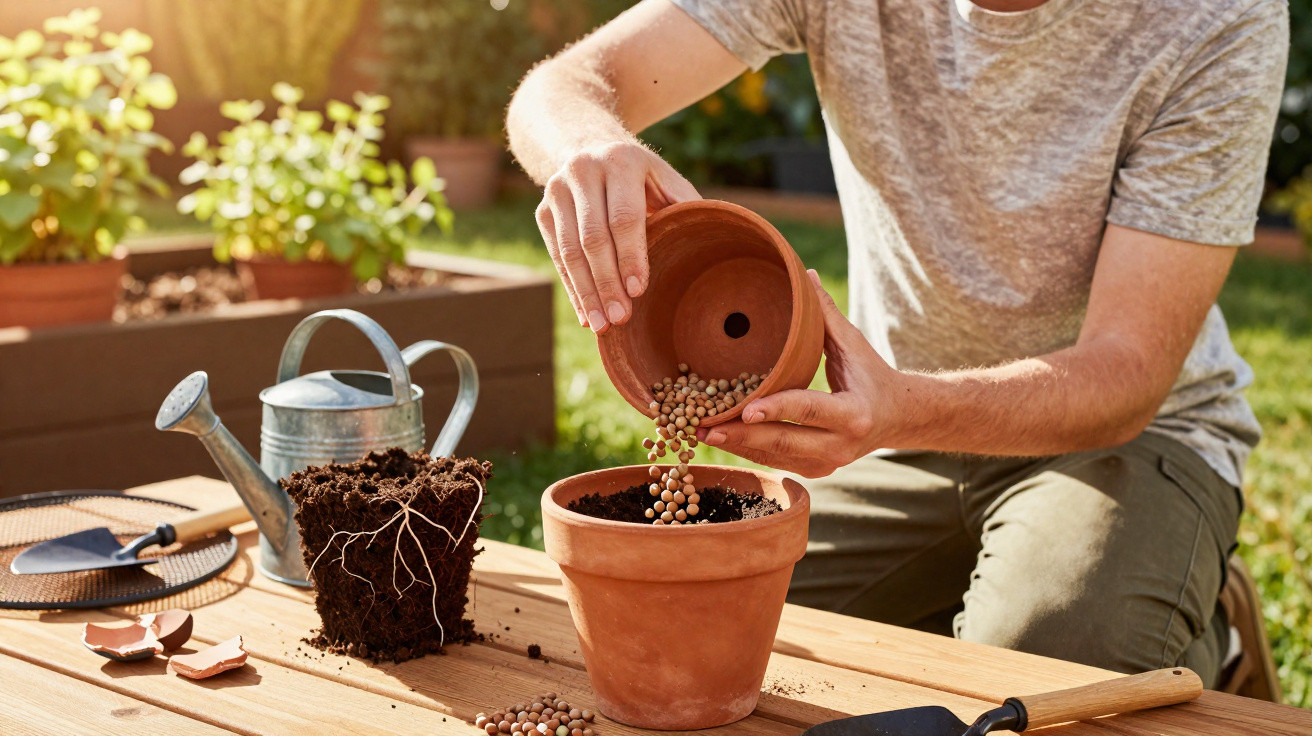
Growing vegetables in containers calls for essential care to ensure plants develop fully. Understanding the purpose of the drainage hole prevents harmful moisture build-up, creating a balanced setting that supports healthy growth in your home garden.
Why is drainage essential in a plant pot?
Frequent watering without a suitable outlet turns the soil into an overly saturated medium. This continual retention directly affects its biological health, making it more susceptible to unwanted fungi and impairing the proper retention of essential nutrients.
When surplus water cannot drain away freely, the soil structure loses the balance required to sustain ideal conditions. This lower outlet provides ongoing circulation, stopping water from becoming trapped during daily maintenance.
How can you stop plants drowning in a pot?
Before watering your crop for the first time, there is a simple soil-preparation step that prevents… Read more
How does aeration protect root health?
Underground structures need air to breathe and take in the vital components contained in the soil. Without holes, this exchange of gases is blocked, suffocating the plant system and severely affecting its nutrient uptake capacity.
In the absence of oxygen, root tissues begin to rot quickly beneath the compacted soil. Proper drainage removes excess water, keeping the underground environment airy and protected from the deterioration of the entire plant structure.
Below is a video from the Spagnhol Plantas YouTube channel that explores the points discussed in this topic in greater depth:
https://www.youtube.com/watch?v=0tFYBPyIMRk
Which items help when preparing a plant pot?
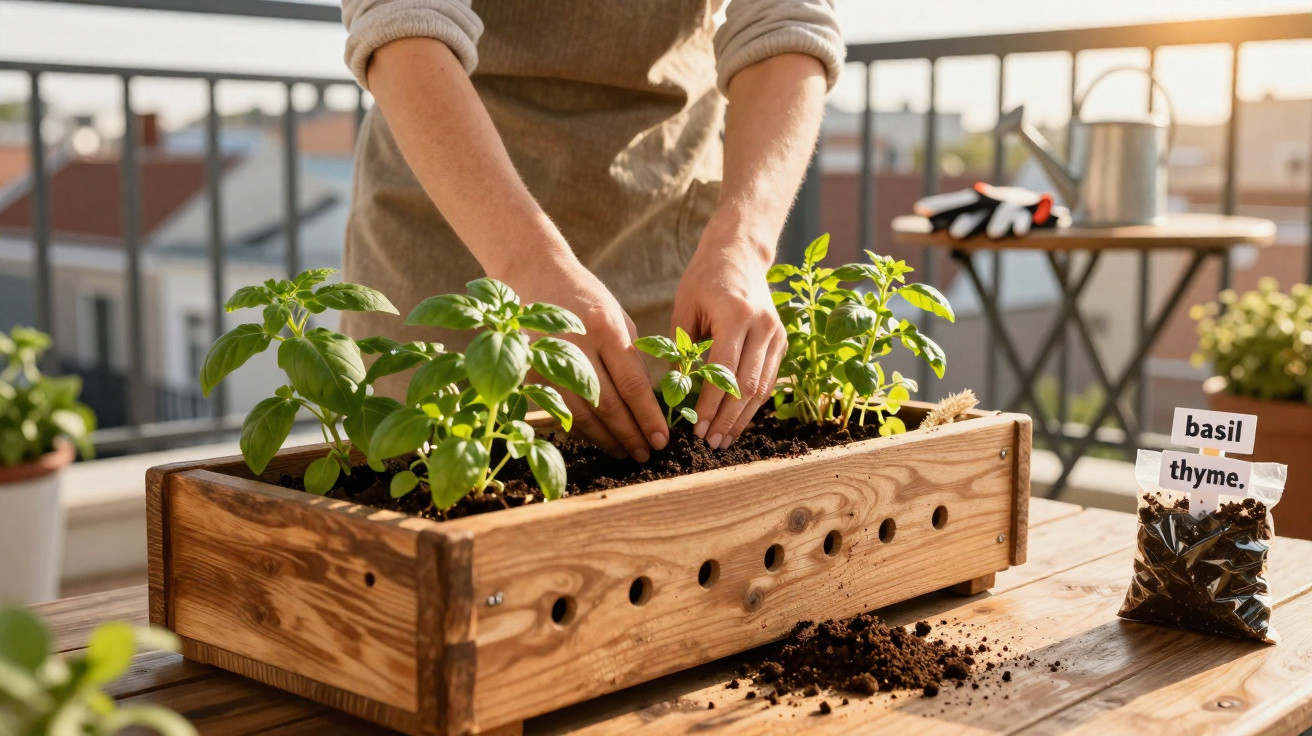
Preparing the base correctly ensures the hole continues to work at maximum efficiency over time. Adding filtering layers before putting in the soil prevents the holes from becoming blocked, maintaining water flow in home cultivation.
Selecting the right materials for the bottom of the container makes all the difference to successful planting. This advance arrangement prevents debris from building up and keeps drainage flowing smoothly through every planned watering routine.
Essential Drainage Kit
Elements for an effective base
Use these components at the bottom of the pot:
- Drainage matting or permeable fabric;
- Expanded clay or small stones;
- Lightweight, well-aerated growing medium.
What care prevents waterlogged soil?
Watching how the soil responds after watering the container helps you spot drainage problems quickly. Adjusting the amount of water applied prevents excessive build-up and protects roots from stress during healthy development.
Keeping up with maintenance ensures water drains freely rather than stagnating at the bottom of the pot. A few good practices help keep the drainage system effective and clear of blockages caused by a build-up of organic matter.
Follow these practical recommendations to keep drainage working perfectly:
- Check that the bottom hole is clear before watering;
- Avoid allowing standing water to collect in the saucers underneath;
- Use soil mixes that encourage rapid drainage.
How can you ensure the longevity of potted plants?
Balancing watering with drainage is the key to keeping vegetables thriving for a long time. Checking the bottom of containers regularly prevents unwelcome surprises and maintains an environment suitable for continuous growth.
Following these straightforward measures makes the growing routine far easier and more rewarding. Ensuring water can flow freely protects your green collection and encourages sustainable growth in any residential space.
Comments
No comments yet. Be the first to comment!
Leave a Comment