
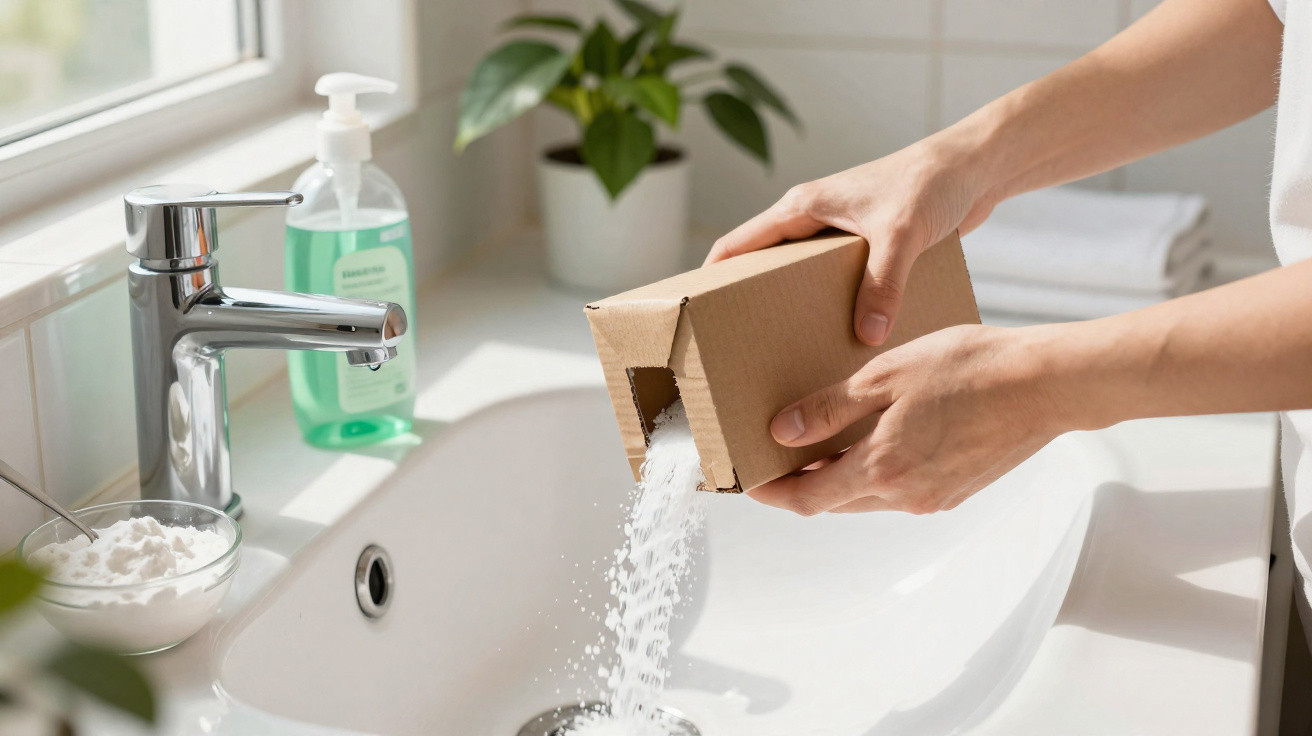
The sudden onset of unpleasant odours from pipework causes everyday discomfort in many homes. Although reaching for bleach is a common instinct, applying bicarbonate directly to the drain outlet can quickly neutralise the issue, making it easy to keep the area pleasant and hygienic.
Why doesn’t bleach solve the problem?
Pouring chlorine-based products down pipes generally masks the nuisance only temporarily. This widespread habit does not remove the embedded layer of grime and also releases strong gases that may affect residents’ breathing during routine cleaning.
Over time, excessive use of corrosive chemical products wears down the joints in sanitary pipework. Choosing a gentler approach helps protect household pipework and prevents the ongoing release of irritating vapours into the enclosed bathroom space.
What stops a bathroom drain from ever smelling bad again?
There is a simple secret to permanently blocking gases rising through household pipes using… Read more
How does bicarbonate work against bad odours?
This alkaline compound tackles the source of the issue by changing the chemical environment in which bacteria multiply. When it comes into contact with built-up waste, it neutralises acidity and limits the growth of microorganisms responsible for foul-smelling emissions.
Within just ten minutes, its fizzing action breaks apart decomposing material trapped on the inner walls. This physical reaction loosens dirt without harming plastic connections, safely restoring the room’s freshness.
Below is a video from the TV Aparecida YouTube channel that explores the points discussed in this topic in greater depth:
What role does washing-up liquid play in cleaning?
Body oils and soap residue form a sticky film inside the pipe. Adding a few drops of mild washing-up liquid dissolves this oily layer, allowing water to carry away all the impurities caught in the bend of the trap.
Combining this liquid solution with the deodorising powder produces an effective foam that cleans the drain walls. The process softens more stubborn residues, making complete removal easier without requiring excessive physical effort.
Cleaning Guide
Recommended items
Essential items for efficient pipe cleaning:
- Pure sodium bicarbonate;
- Mild liquid washing-up detergent;
- Warm water for rinsing.
How should it be applied correctly in the pipework?
The method requires only a few organised steps to ensure the drain is cleaned as effectively as possible. First, removing the protective cover makes it easier to spot any hair or surface debris obstructing the normal passage of water.
Once the ingredients have been poured in, allowing the mixture to sit for ten minutes provides the ideal time for the chemical reaction. Rinsing with hot water then completes the deep cleaning and restores smooth circulation of the water flow.
Follow these steps for the best cleaning result:
- Remove the grille and dispose of visible dirt built up at the opening;
- Pour in two tablespoons of bicarbonate along with a few drops of washing-up liquid;
- Wait ten minutes, then finish by pouring in plenty of warm water.
How often should this care be repeated?
Regular maintenance prevents layers of organic matter from building up again on the pipe walls. Carrying out this cleaning every fortnight is an excellent strategy for keeping the area pleasant and free from unwanted contamination.
This straightforward routine turns household care into a quick task, avoiding unnecessary spending on harsh products. Using this natural method keeps the bathroom smelling fresh and brings greater comfort to the whole family every day.




Comments
No comments yet. Be the first to comment!
Leave a Comment