
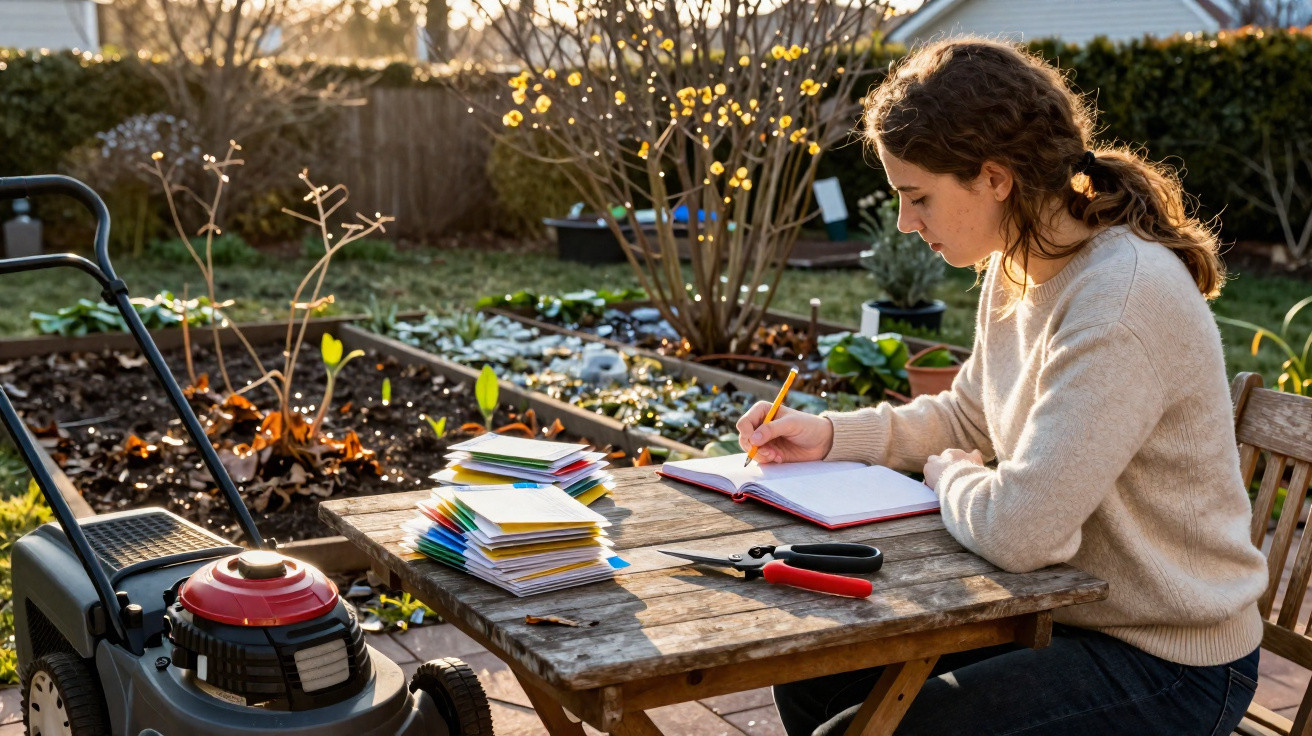
Many amateur gardeners are poised to get started in March: clear away leaves, rake the beds, mow the lawn, trim the hedge – at last, the gardening season is under way again. Yet that impression is often misleading. The ground remains cold, animals are still in their winter shelters, and some tasks are restricted by law. Starting too hastily now does neither your garden nor nature any favours.
Leave the leaves: why an “untidy” garden is so valuable now
For many people, a garden only looks tidy once every leaf has been removed and every corner has been cleaned up. From nature’s perspective, the reverse is true: an imperfect, slightly wild garden saves the lives of countless animals.
Leaves, dead stems and small branches are not rubbish; they provide winter shelter, a food store and a protective layer all at once.
A great deal is currently happening beneath apparently unsightly piles of leaves:
- Insects overwinter in dry leaves and need to be left undisturbed until April.
- Spiders, beetles and woodlice break down the material, helping to create fertile soil.
- From March, birds use small branches as nesting material.
- This organic layer protects the soil from drying out and erosion.
Only remove leaves and plant material that are clearly diseased – for example, mouldy leaves beneath heavily affected roses or perennials. Everything else can remain in place for now. Tidying away every last scrap at this point removes habitat for birds, hedgehogs and insects, while weakening soil quality in the long term.
Lawns in March: wait before bringing out the mower
The lawn can be deceptive: it looks green, so many assume it must already be ready for mowing. After winter, however, grass roots are often weakened, while the ground is damp and still vulnerable to frost.
Mowing too early brings several drawbacks:
- The turf is put under strain when the soil is still soft and wet.
- Wheels and foot traffic compact the ground, potentially creating bare or mossy patches.
- Grass blades can suffer frost damage if mild days are followed by cold nights.
Use a few straightforward signs to decide when to begin:
- The grass is around five to seven centimetres tall.
- The lawn has dried out properly, with no mud or standing water.
- Daytime temperatures remain consistently at around 7 to 10 degrees, while night-time temperatures rarely fall below zero.
In many areas, the first cut is best made from mid-March to early April. In colder locations, it is wiser to wait a little longer. Patience at this stage is rewarded with a denser, healthier lawn in spring.
Do not cultivate or sow beds too early
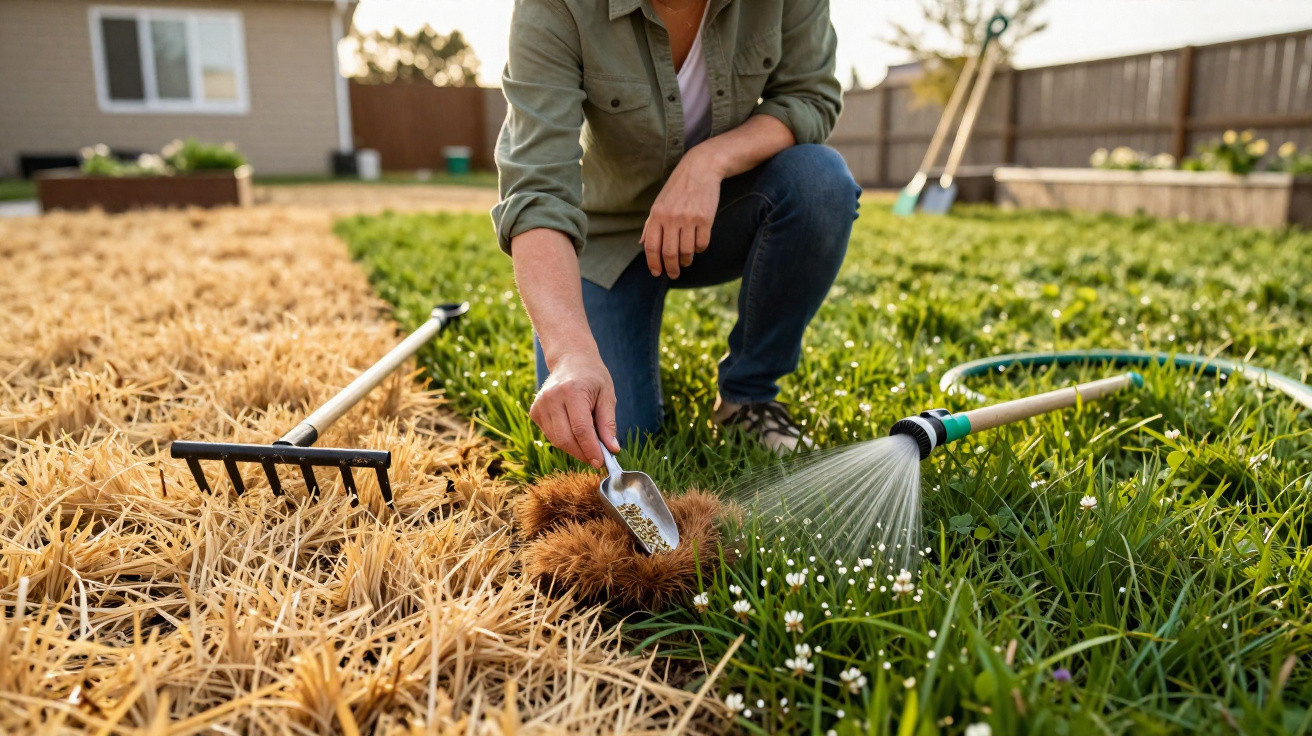
As soon as the sun appears, many amateur gardeners reach for the rake, cultivator and seed packets. They want to prepare their beds “properly” straight away, but the soil is sensitive at this time of year.
Deep cultivation disrupts dormant periods and damages soil structures:
- Fine roots of perennials, grasses and young plants may be torn away.
- Beneficial creatures such as earthworms, beetle larvae and wild bees can be pulled from their protected spaces.
- Soil that has been raked loose but remains cold effectively invites fungi and pests.
In March, the rule for beds is: loosen gently, do not dig over. It is better to postpone major jobs until the soil has genuinely warmed up.
If you want to do something already, limit your work to particularly compacted areas. Lift these carefully with a garden fork without turning over the entire bed. In many regions, direct sowing outdoors is only worthwhile once the soil no longer feels icy and is pleasantly cool to the touch rather than damply cold.
Sowing that should still wait in March
Sensitive vegetables and delicate summer flowers cope poorly with cold outdoor conditions. March is generally still too early outside for these plants:
- Tomatoes, peppers and chillies
- Courgettes, pumpkins and cucumbers
- Dahlias (as tubers) and sensitive summer-flowering plants
Rushing these plants risks stunted growth or complete failure. It is better to start them indoors or in a greenhouse, or simply wait a few more weeks.
Fertilising and planting: frost disrupts many plans
Mild March days can be tempting: scatter fertiliser quickly, plant new perennials and perhaps fill a few containers. However, the nights often tell a different story. Late frosts into April are normal in many places.
What happens when you push ahead too quickly?
- Fertiliser stimulates growth, causing plants to produce soft, vulnerable new shoots.
- When temperatures drop, new shoots and buds can freeze.
- The plant then has to use energy for recovery and grows less strongly during the year.
It is better to start a little later with strength than to begin early and struggle through the rest of the season weakened.
There is still one useful small task you can do now: apply a thin mulch layer made from leaves, last year’s grass cuttings or shredded prunings. It protects the soil, retains moisture and slightly reduces temperature fluctuations without putting plants under stress.
Hedges and shrubs: what is prohibited from 1 March
One issue many amateur gardeners overlook is that major pruning of hedges and shrubs is regulated by law. From 1 March to 30 September, the Federal Nature Conservation Act prohibits radical cutting of hedges, bushes and woody plants.
The reason is straightforward: from March, birds look for nesting sites, begin building nests and raise their first brood. Dense hedges also provide shelter for hedgehogs and many insect species. Extensive sawing, cutting or clearing at this time destroys breeding sites and refuges.
What does this mean in practical garden terms?
| Task | Permitted in March? | Note |
|---|---|---|
| Radical hedge cutting (cutting back heavily) | No | Breaches can result in substantial fines |
| Gentle maintenance pruning | Yes, with care | Check first for nests or animals in the woody growth |
| Removing individual dead branches | Yes | Avoid disturbing nesting sites wherever possible |
Before using hedge shears, inspect the branches carefully: if there are birds, partly built nests or resting insects, it is best to leave the plant alone for the time being. This protects wildlife and helps you avoid problems with the local authority.
What you can do instead in March
Anyone keen to be active does not have to stand by doing nothing in March. There are plenty of worthwhile jobs that do not stress the garden or breach any rules:
- Clean, sharpen and oil tools
- Draw up planting plans for vegetable and flower beds
- Check perennial plants and carefully remove diseased parts
- Observe and mark spring-flowering plants, and note species that reliably return in the same spot
- Start robust varieties indoors or in a greenhouse
Planning in particular pays off repeatedly during the year. Thinking now about how sunny and shaded areas could be used more effectively later saves time, money and frustration.
Why patience in spring shapes the whole summer
Many high-summer problems – scorched lawns, ailing perennials and pest infestations – begin in the first weeks of the season. Cutting too early, fertilising incorrectly or keeping a highly tidied, “sterile” garden disrupts the balance as early as March.
By contrast, those who consider the soil, wildlife and temperature strengthen natural cycles: beneficial insects regulate pests, healthy soil retains water, and plants grow more vigorously and withstand dry spells better. The reward is a garden that needs less maintenance and copes more reliably with extreme weather.
A useful rule to remember for March is: observation beats action for action’s sake. Anyone who watches soil moisture, buds, animal activity and the weather closely will make better decisions than any rigid gardening routine can provide. Step by step, this creates a garden that not only looks attractive but also functions as a small habitat.



Comments
No comments yet. Be the first to comment!
Leave a Comment