
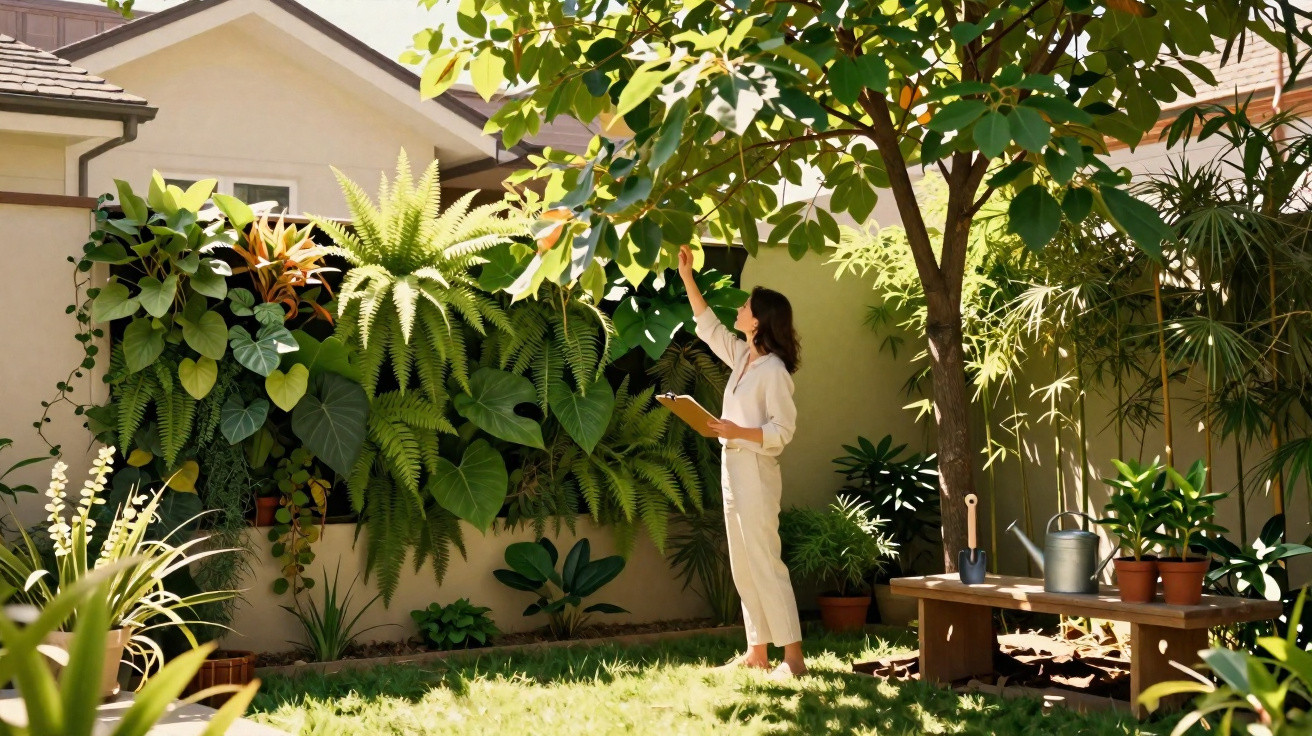
Living in places with intense heat calls for smart alternatives to restore comfort at home. Growing the right plant species can significantly improve the local microclimate, creating a pleasant feeling of thermal comfort and turning stuffy gardens into genuinely attractive, decorative retreats.
How can plants lower the temperature of an environment?
Vegetation plays a remarkable role in managing heat through natural biological processes. The process known as evapotranspiration continually releases moisture into the air, while large leaves block direct sunlight and limit excessive warming of built-up urban surfaces.
This solar protection creates an effective shield against the oppressive heat that often affects exposed homes. Establishing carefully planned natural shading reduces reliance on mechanical air conditioning, delivering meaningful financial savings and creating a charming, refreshed outdoor area for family time.
Which climber provides cool shade throughout the year?
Is there an ideal plant for covering verandas that completely blocks the sun’s rays and keeps temperatures pleasant… Read more
Which plant species are best for cooling exterior walls?
Vertical surfaces store vast amounts of heat and release that oppressive warmth overnight. Covering them with a vigorous climber addresses both the visual and thermal issue, forming an insulating layer that absorbs radiation and encourages constant coolness across the garden.
The beautiful lady’s slipper vine is an outstanding choice for covering pergolas and vertical structures. Its thick foliage creates a genuine protective screen that can moderate high temperatures while offering residents striking ornamental beauty.
Below is an excellent video created by the charismatic and respected Minhas Plantas YouTube channel, which clearly explains several essential tips for developing this innovative landscaping project and cooling your home completely:
How can you create an effective green barrier against hot winds?
Warm winds arriving from the street can increase the uncomfortable perceived temperature inside homes. Creating a dense plant barrier with ornamental trees or tall shrubs can filter this hot air mass, working effectively as a wonderful, entirely natural thermal insulator.
For quick, long-lasting results, choose plants with hardy foliage. These species help retain a cool microclimate and stop outdoor dust, promoting an exceptionally healthy, peaceful setting with excellent protective shade.
Functional Landscaping
Thermal Elements
Discover the components required to put together your structure:
- Select broad-canopied trees carefully to cast clean shade.
- Apply organic fertiliser regularly to speed up the growth of protective leaves.
- Install a planned irrigation system to ensure continuous evapotranspiration.
What are the benefits of installing a vertical garden in the garden?
Brick walls exposed to blazing sunshine act like genuine heat radiators, making the outdoor area stifling. Installing a planned vertical garden on these surfaces substantially lowers heat absorption, preventing the structure from storing high temperatures and making the garden remarkably cool.
Beyond the undeniable thermal advantage, this landscaping solution makes the most of small spaces and enhances the home with great refinement. A green wall cleans the surrounding air, retains natural moisture and provides a calming appearance, transforming any environment with real sophistication.
We have selected several ideal plant options below that adapt very well to this particular structural model, allowing you to plan your garden efficiently and gain considerable benefits for your health:
- Various ferns for partially shaded locations;
- English ivy for rapidly covering walls;
- Green pothos for its strong heat resistance.
How should you plan the positioning of trees in the garden?
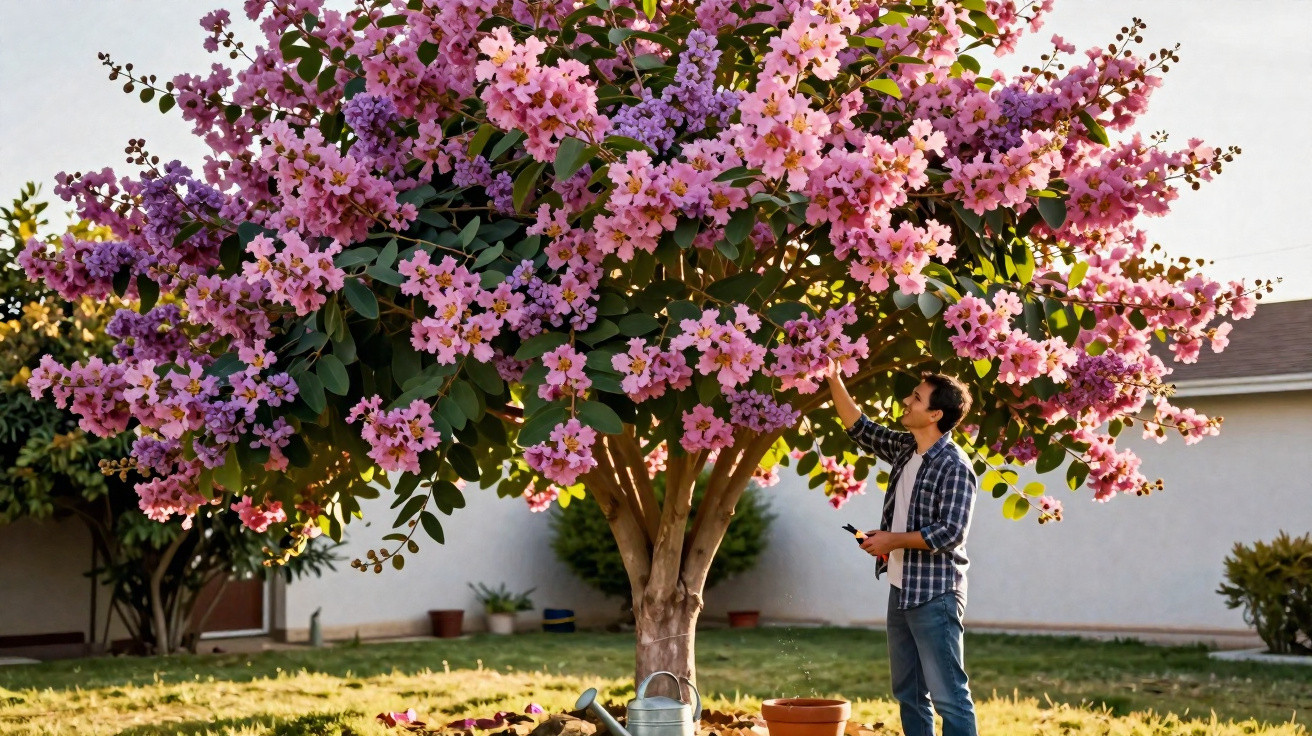
The correct placement of broad-canopied trees determines how effectively shade reaches the home. Positioning young trees on the western side provides maximum protection in the afternoon, blocking the harshest sun and creating immediate coolness in a wholly sustainable way.
Always assess the available space for healthy root growth before planting permanently. This careful planning prevents future structural damage to pavements or walls, ensuring that your landscaping brings only peace of mind, lasting beauty and exceptional thermal comfort.



Comments
No comments yet. Be the first to comment!
Leave a Comment