
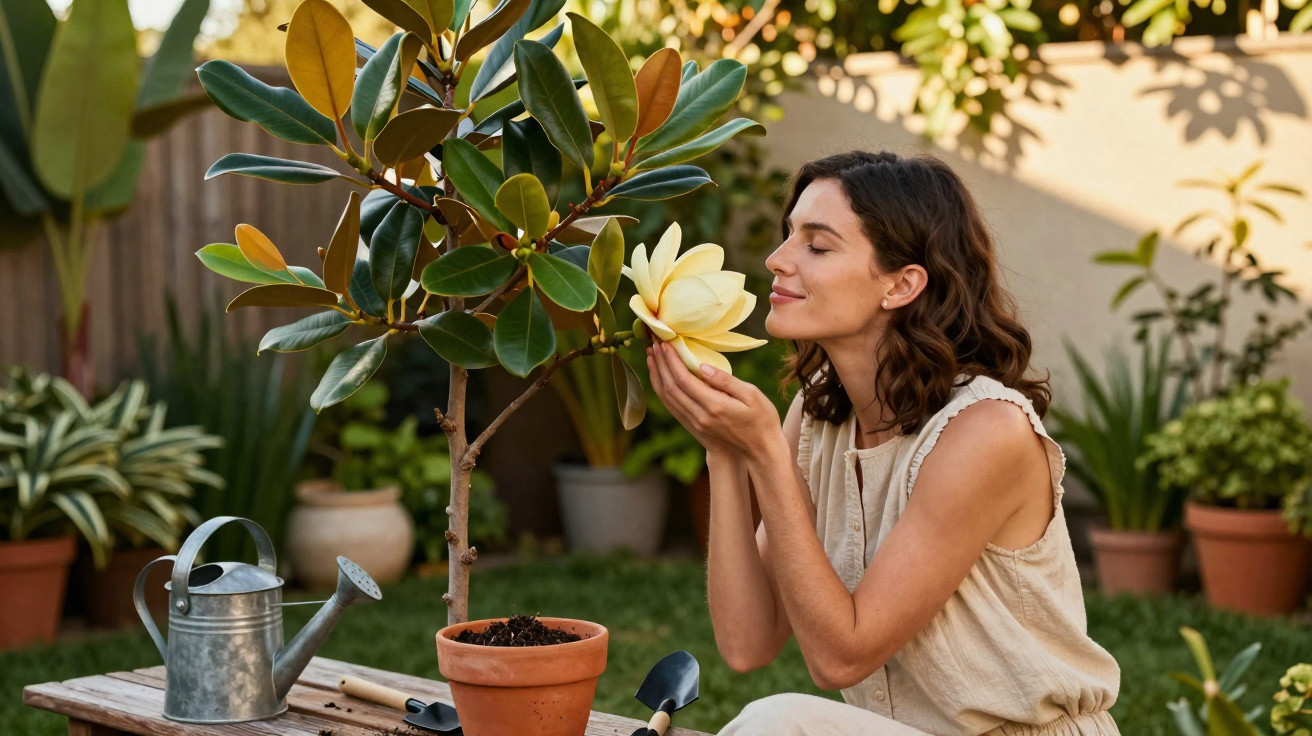
The banana magnolia has been stealing the spotlight in many gardens, and it is easy to see why. It brings together three qualities that many people want at home: a manageable size (it does not become a “giant” that takes over the whole space), highly decorative blooms and a distinctive fragrance reminiscent of caramel, ripe fruit and even bubble gum. This makes it ideal for smaller gardens, spacious patios and even pavements.
What is the banana magnolia and why is it so sought after?
The banana magnolia, also known as Magnolia figo or dwarf banana magnolia, is a small- to medium-sized tree. Its restrained growth and less troublesome roots make it especially popular in compact spaces. Rather than being chosen for shade, it is valued for its appearance, fragrant flowers and striking role in landscaping.
It can be planted beside paths, walls and front doors, as well as in large containers, provided the soil is properly prepared. In urban planting schemes, it is often found on pavements, in small beds and in pocket parks, where it is easy to maintain and avoids the need for severe pruning over the years.
Watch a video from the Spagnhol Plantas YouTube channel explaining how to grow banana magnolia and the secrets to keeping it flowering and fragrant in the garden:
https://www.youtube.com/watch?v=D-w-w73WcM8
What are the main benefits of having a banana magnolia at home?
People who choose banana magnolia generally want to combine practicality, beauty and a distinctive sensory element in their garden. It works particularly well as a fragrant tree in limited spaces, creating focal points in front gardens, patios and bright outdoor passageways.
These features mean it is widely used alongside other medium-sized plants, helping to keep the garden appealing throughout the year. The benefits most appreciated by growers of this species include:
- Natural fragrance: its flowers form an “aromatic corridor” at entrances, in social areas and along walkways.
- Compact habit: it remains a moderate size and responds well to light shaping and maintenance pruning.
- Ornamental value: brown buds, cream flowers with purple edges and rich green foliage create a striking display.
- Versatile use: it can be planted alone, in groups, in rows or even as a low, flowering hedge.
- Good adaptability: it performs well in narrow gardens, large planters, conservatory gardens and smallholdings.
How should you care for banana magnolia to maintain its flowers and fragrance?
Banana magnolia needs a moderate level of care: it is not a plant that can simply be neglected, but it is not difficult to grow either. The essential requirement is loose, fertile, well-drained soil, avoiding hard, compacted ground after rain, which can affect both its roots and flowering.
- Prepare the soil: combine garden soil with peat, leaf mould or well-rotted compost to make it light and nutrient-rich.
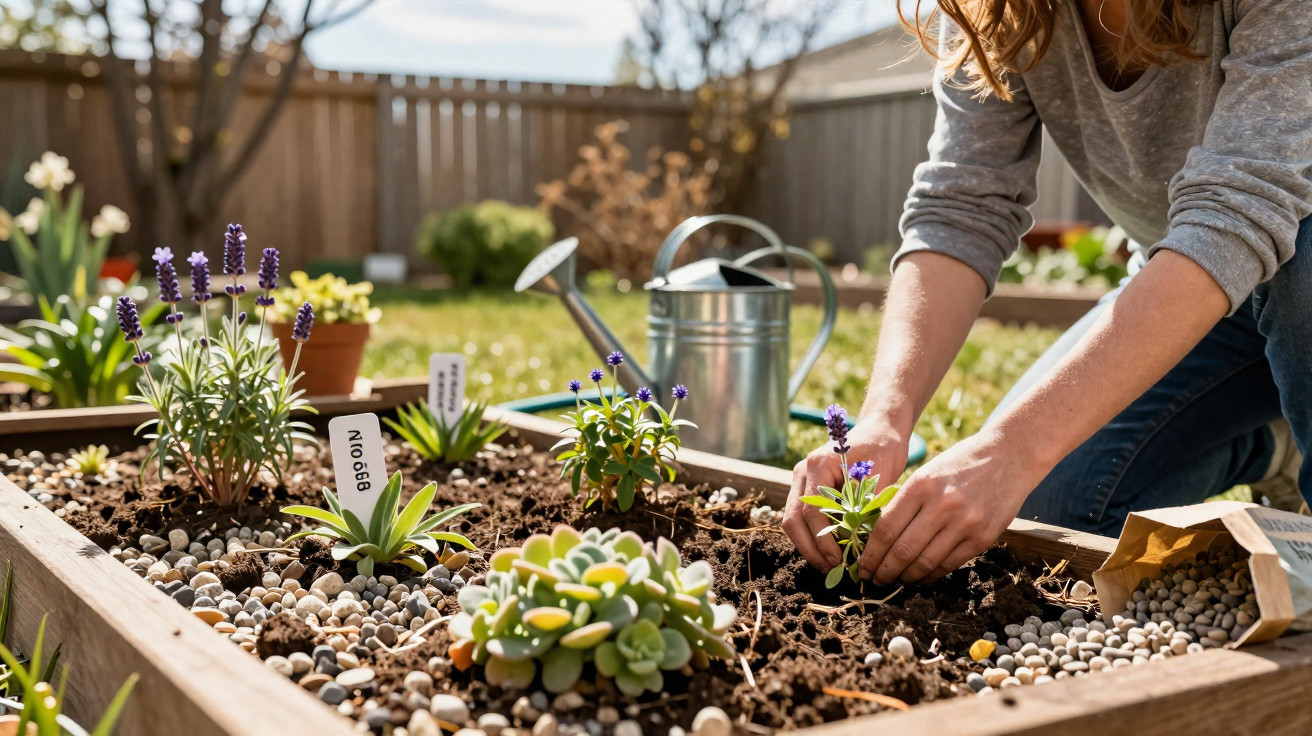
- Ensure effective drainage: for containers, place a layer of gravel, expanded clay or broken pottery in the base.
- Water moderately: keep the growing medium slightly moist without waterlogging it, checking the soil with your fingers.
- Provide suitable light: it grows well in full sun or bright partial shade, provided it receives good daily light.
- Protect it from harsh weather: it does not withstand severe frosts or prolonged drought; during very cold weather, container-grown plants can be moved to a sheltered area.
Which everyday spaces are best suited to banana magnolia?
Banana magnolia suits both urban and rural settings, as long as it receives the right balance of sun and water. Around single-storey homes, it looks particularly good in beds near the entrance or in places where the breeze can carry its fragrance. On large patios, it thrives in deep pots with good drainage and regular watering.
On pavements and in neighbourhood squares, it is commonly planted as a specimen tree, with adequate distance from walls, pipes and overhead cables to prevent future issues. With straightforward care, occasional maintenance pruning and light feeding during the growing season, it becomes a long-lasting choice for making an area more welcoming, fragrant and visually appealing throughout the seasons.

Comments
No comments yet. Be the first to comment!
Leave a Comment