
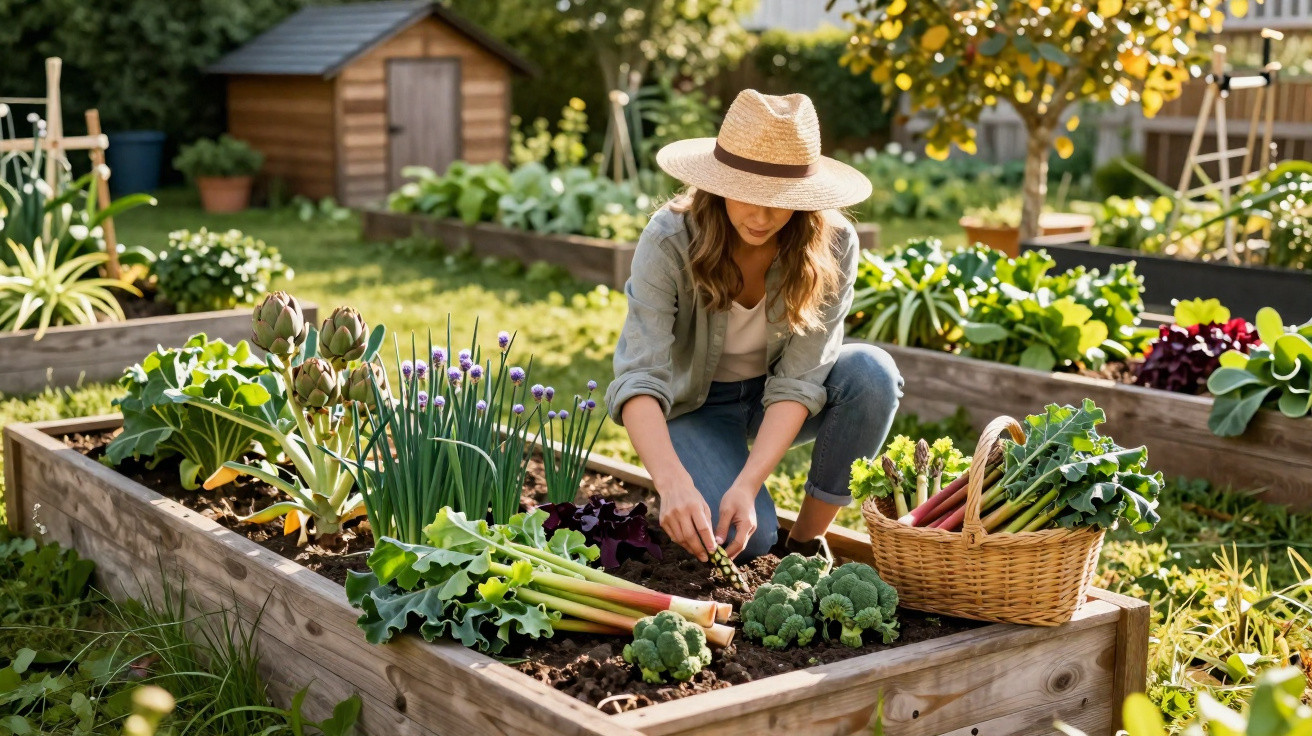
Plant once, harvest for years: many amateur gardeners dream of a vegetable bed that largely looks after itself, with no need for constant sowing.
Rather than filling windowsills with seed trays every spring, an increasing number of people are choosing perennial vegetables. They survive winter in the soil, reliably put on new growth and provide fresh produce while the first tomato seedlings are still indoors. Combined properly, they create a nearly year-round ‘permanent bed’ that requires remarkably little effort.
What makes perennial vegetables so special
Unlike familiar annual crops such as tomatoes or courgettes, perennial vegetable plants do not complete their life cycle within one season. In autumn, they store nutrients in their roots, tubers, rhizomes or thick stems, drawing on these reserves to begin growing again the following spring.
The benefit is that these plants are already ‘on the starting line’ when the ground has only just thawed. Many emerge exceptionally early or remain productive well into autumn. Perennial vegetables therefore fill the quieter gaps in the growing year, when there is little happening elsewhere in the vegetable patch.
“Anyone who relies on perennial vegetable varieties saves seeds, time and hassle every year – while also helping to stabilise the garden soil.”
As the same plants remain in one spot for years, they develop strong root systems that loosen the soil and build humus. Earthworms and microorganisms benefit from this, as do the plants themselves in turn. There is one small drawback: beds can no longer be dug over freely or completely redesigned each year. Once planted, many of these crops stay in the same place for five, ten or even more years.
The 12 most important perennial vegetables for a permanent bed
1. Asparagus – the king of spring beds
Asparagus is a classic perennial crop for the vegetable garden. Give it a deeply loosened, humus-rich, well-drained bed in full sun and you can harvest it for many years. Establishing a bed takes some patience: during the first two years, harvest only very sparingly. Once well established, however, a row can easily produce spears for a decade.
2. Artichoke – a Mediterranean showstopper with substance
Artichokes bring a holiday feel to the garden. They thrive in warmth, full sunshine and deep, nutrient-rich soil. They overwinter without difficulty in mild areas, while colder locations call for a thick protective layer of leaves and straw. Cut the flower buds at the right time and you will have an elegant delicacy on your plate.
3. Jerusalem artichoke – a tough tuber with a tendency to spread
Jerusalem artichokes produce sunflower-like plants with edible tubers. They grow almost anywhere, including relatively poor soils, and tolerate frost without protection. The downside is their tendency to wander. It is best to grow them at the edge of the garden or contain them with a rhizome barrier. Harvesting runs from late autumn into spring.
4. Rhubarb – tart stalks, vigorous plant
Rhubarb prefers deep, moist soil and a spot in partial shade to full sun. Given plenty of compost and mulch, it develops over the years into an impressive clump. Important: only the stalks are edible; because of their constituents, the large leaves should not be eaten or fed to animals.
5. Perennial kale – leafy vegetables well into winter
Unlike conventional annual kale, perennial varieties remain in the bed for several years. Individual leaves can be picked continually, and the plant keeps producing fresh growth. It likes nutrient-rich soil and sun to partial shade, supplying crisp leaves even after the first frosts.
6. Perennial broccoli – small florets time after time
Perennial broccoli generally produces smaller florets, but they regrow continuously. Once cut, fresh buds form from the side shoots. This keeps the plant productive for many months at a time. A sunny position and regular additions of compost are enough to maintain it in the bed long term.
7. Sorrel – a tangy leafy vegetable for spring and autumn
Sorrel adds fresh, acidic notes to soups, salads and sauces. It comes into growth very early and continues when other crops have long since faded. A partially shaded site with sufficient moisture is ideal. To harvest, cut leaves progressively from the outside towards the centre.
8. Perennial rocket – peppery flavour without continual sowing
Perennial rocket grows more compactly than the familiar salad rocket, yet it is just as aromatic. It prefers a sunny spot but will also tolerate some shade. Removing flowers regularly extends the leaf harvest considerably and keeps the flavour milder.
9. Wild garlic – intense garlic flavour for shady corners
Wild garlic is ideal for making use of shaded areas beneath shrubs or trees. Over time, it forms dense carpets before disappearing back into the ground in summer. Harvest the leaves in early spring, before the plants flower. Once established, wild garlic persists for many years.
10. Perennial garlic and perennial leek – versatile kitchen crops
These varieties do not form the conventional large bulbs associated with ordinary garlic. Instead, they grow into clumps with numerous shoots, which can be used like spring onions or leeks. A sunny position and loose soil are usually all that is needed to grow them permanently.
11. Tree onion and Welsh onion
The tree onion is notable for the small bulbils it forms on its stems, which develop into new plants. Welsh onions are used like spring onions and regrow quickly after every cut. Both provide a steady supply of flavourful green leaves.
12. Dandelion – an underrated wild vegetable
Dandelions already grow in many gardens, but are often overlooked. Yet their young leaves make a robust, slightly bitter salad vegetable and provide plenty of minerals. Anyone wishing to harvest them deliberately should reserve a separate corner of the bed and prevent them from self-seeding there.
How to plan a permanent vegetable bed
Perennial vegetables need permanent positions. Putting them casually into an ordinary crop-rotation bed will only cause frustration when it comes time to dig. A dedicated area that remains unchanged for many years is the better option.
- Position tall crops, such as Jerusalem artichokes and artichokes, at the back.
- Place medium-sized clumps, including rhubarb and perennial kale, in the middle.
- Grow lower plants, such as wild garlic, sorrel or tree onions, around the edge.
- Put sun-loving varieties in the open front section.
- Site shade lovers such as wild garlic near shrubs or beneath fruit trees.
Keeping the soil permanently mulched reduces watering and suppresses weeds. Straw, leaves and chopped plant remains are all suitable materials. Regular weeding and watering are particularly worthwhile in the first two years, until the plants have rooted across the bed.
A starter combination for beginners
Anyone looking to explore the subject should begin with straightforward crops. Three tough options have proved reliable: Jerusalem artichoke, perennial kale and sorrel or perennial rocket. They forgive minor care mistakes, cope with different soils and provide visibly harvestable crops quickly.
| Crop | Position | Harvest period |
|---|---|---|
| Jerusalem artichoke | Sun, including poorer soils | Late autumn to spring |
| Perennial kale | Sun to partial shade, nutrient-rich | Early autumn to winter |
| Sorrel / perennial rocket | Partial shade to sun, moist | Spring and autumn |
As time goes on, asparagus, rhubarb and the various allium crops can be added. Step by step, this creates a garden area where something edible is almost always growing – even when the conventional vegetable bed is still dormant for winter.
What to consider when growing perennial vegetables
Some of the plants described have a strong urge to spread. Jerusalem artichokes, tree onions and wild garlic can travel far beyond the intended bed through rhizomes and seeds. If that is not desirable, use root barriers or remove flower heads in good time.
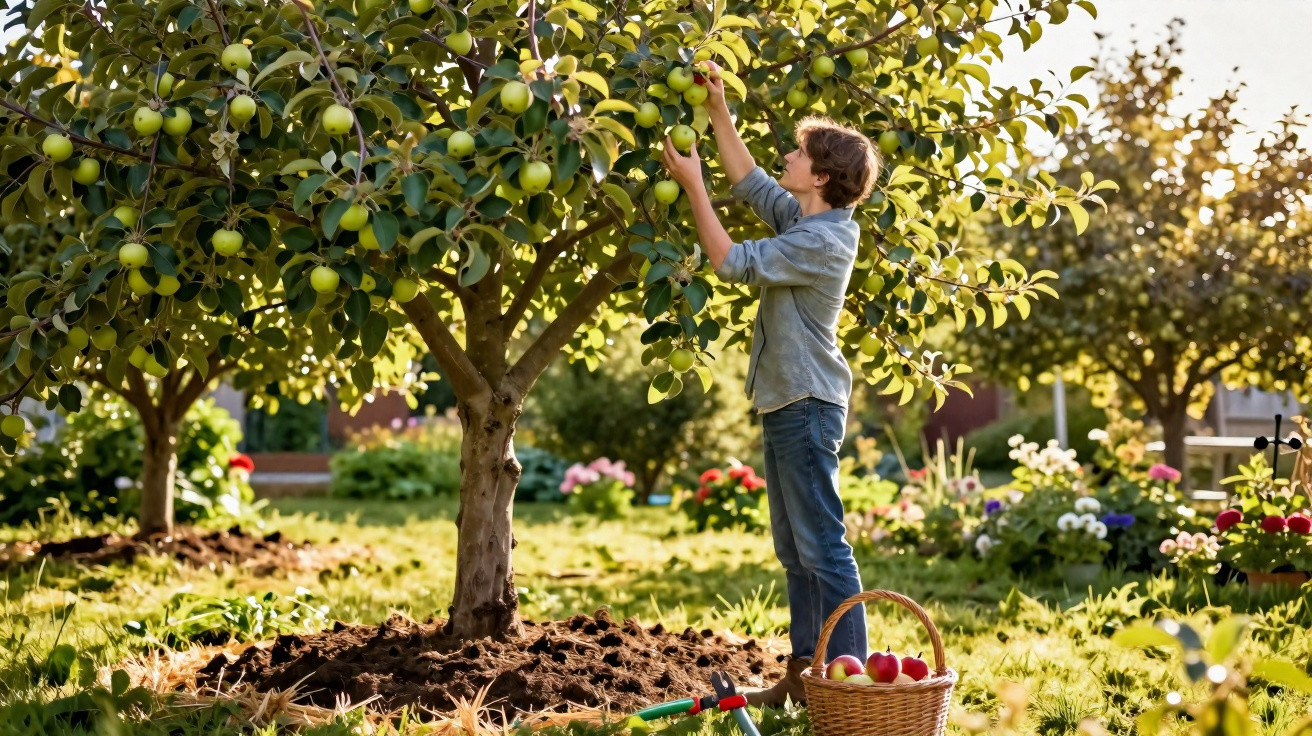
Perennial vegetables become especially interesting when they are combined. Beneath a fruit tree, for example, wild garlic and sorrel can grow, while tree onions or perennial garlic occupy the sunny edge of the same bed. The result is a type of ‘edible herbaceous border’ that looks decorative while still yielding a worthwhile crop.
For many amateur gardeners, switching to perennial crops is an eye-opening experience. Instead of sowing frantically in spring, it is often enough to look at the permanent bed: something is always growing there. This also changes how the garden feels – away from a single season and towards a cycle that becomes more stable year after year.
Comments
No comments yet. Be the first to comment!
Leave a Comment