
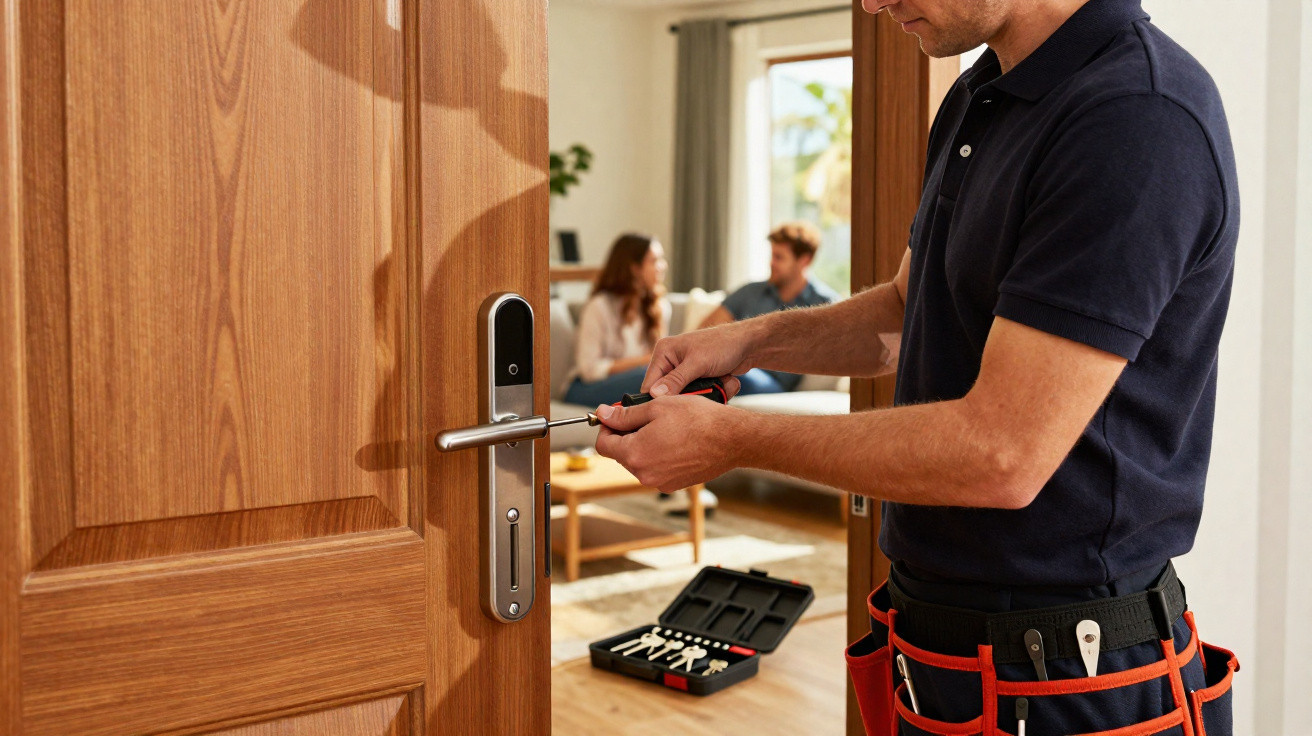
A locksmith’s work tends to be noticed only at stressful moments: when a door will not open, a set of keys has been lost, or an overnight emergency calls for a swift solution. Behind that immediate response, however, is a complex trade requiring technical knowledge, ongoing training and direct responsibility for the security of homes and businesses. Although the internet has made it easier to get in touch, it has also created room for abusive practices, inflated estimates and services delivered with little transparency.
What does a locksmith do on a daily basis?
A locksmith’s role extends far beyond opening locked doors. An experienced professional duplicates keys, installs and repairs locks, maintains doors, and adjusts locking systems on gates and metal shutters, often carrying out work close to that of a metalworker.
Their everyday work ranges from minor repairs to jammed locks to the complete replacement of closing systems in residential and commercial buildings. Such variety calls for hands-on experience, close attention to detail and the ability to spot faults that residents may not notice.
Watch this video from the Manual do Mundo YouTube channel, which explains how lock mechanisms work and which models offer greater protection against attempted break-ins:
https://www.youtube.com/watch?v=bFw0vN-G3oI
How can a locksmith improve home security?
Across many parts of Europe and Latin America, a large proportion of locks fitted in homes are still old and vulnerable to modern break-in techniques. Many households only consider replacing the system once it has failed, started sticking or been targeted in an attempted burglary, leaving the door more exposed than they realise.
A preventive visit from a locksmith makes it possible to inspect locks, cylinders and ironmongery, while recommending practical, affordable intermediate solutions. Following this assessment, the professional may suggest straightforward measures to strengthen the entrance door and lower day-to-day risks, such as:
- Replacing outdated locks with more resistant versions.
- Strengthening wooden doors with ironmongery and metal plates.
- Fitting additional locks to entrance doors and balcony doors.
- Checking the condition of hinges, door frames and door alignment.
When is it advisable to call a locksmith?
People generally seek a locksmith in three main circumstances: emergencies, maintenance and prevention. Emergencies include losing every key, doors that shut with the key left on the inside, locks damaged after attempted break-ins, and problems arising at times when almost no premises are open.
For maintenance, the service can cover doors that scrape, locks that turn unevenly, keys that bend easily, or electronic systems that malfunction regularly. For prevention, a locksmith may be asked to review a home’s security system, replace cylinders after a tenant moves out, or adapt doors so they are easier for older people to use.
How do you choose a reliable locksmith when moving home?
Choosing a trustworthy locksmith requires care, particularly as many adverts on internet pages do not relate to local businesses or qualified professionals. Whenever possible, it is advisable to favour trade associations, unions and workshops with an identifiable address, checking their telephone number, website and service record.
When moving into a new property, whether rented or purchased, reviewing the locks and cylinders is a sensible precaution because it is impossible to know how many copies of the keys may still be in circulation. In addition to changing the cylinder, a locksmith can assess the door’s strength, the quality of the frame and whether reinforcement is needed. This can help reduce future emergency call-outs and increase the sense of security over time.

Comments
No comments yet. Be the first to comment!
Leave a Comment