
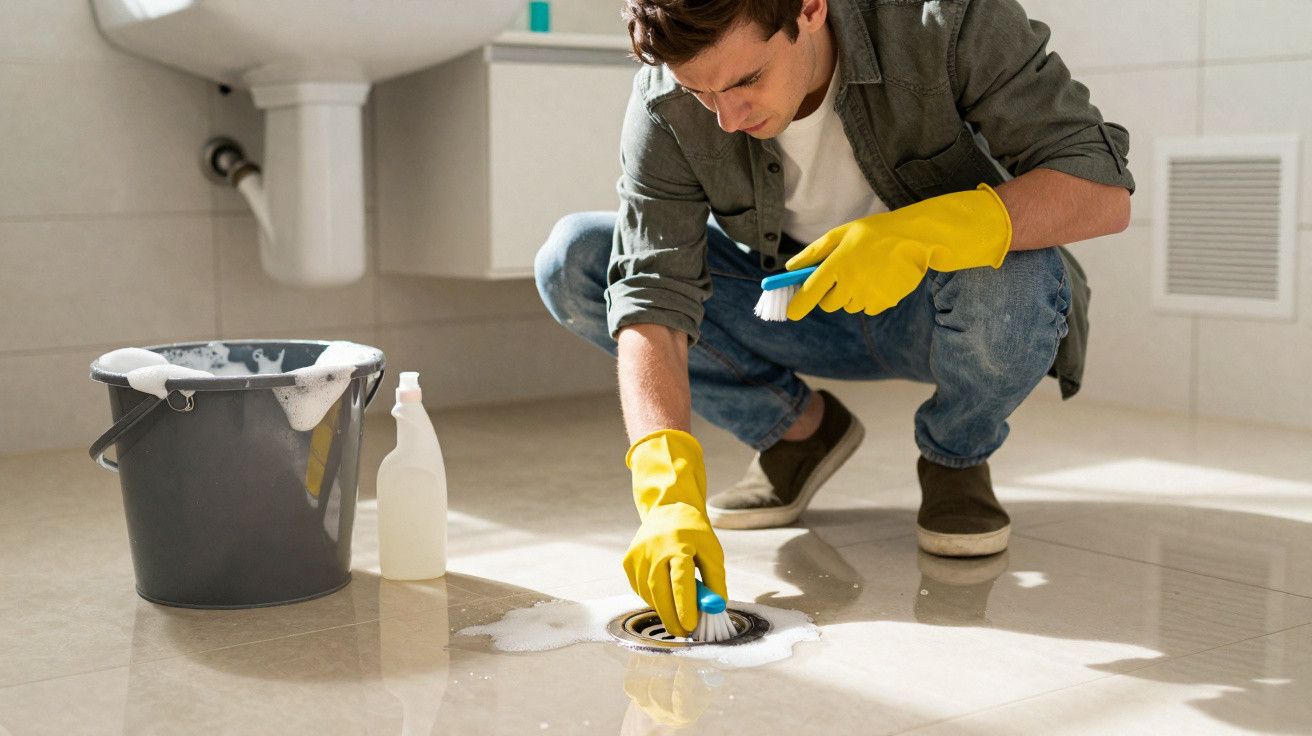
Persistent unpleasant odours in the home can cause considerable discomfort, even after thorough and intensive cleaning. In many cases, conventional cleaning targets only visible surfaces, overlooking the hidden areas where debris and gases build up continuously.
Why does the odour remain after cleaning?
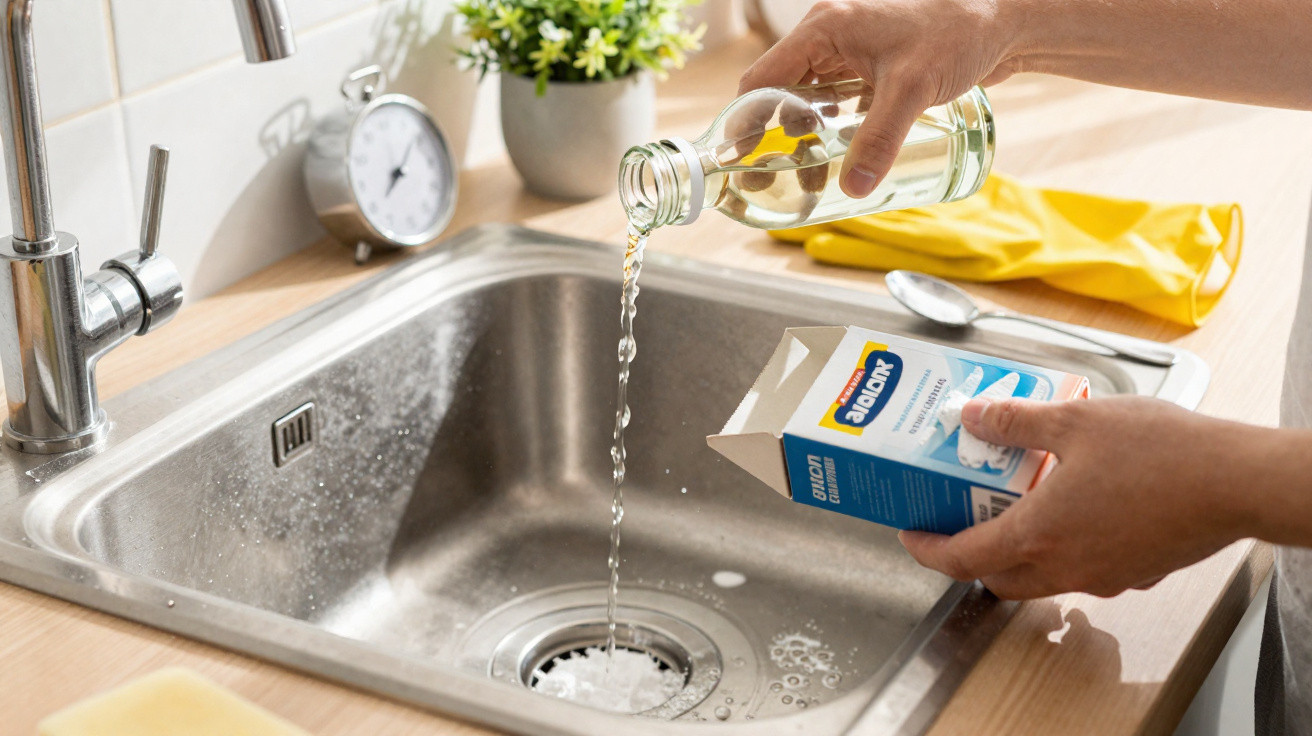
Concentrating cleaning efforts solely on sanitary fittings and the floor can create an immediate but misleading impression of lasting freshness. However, constant moisture combined with a lack of deep maintenance encourages the formation of a highly harmful bacterial biofilm.
These colonies of microorganisms settle in small gaps and connections that are easily missed during everyday household routines. Unless these areas receive direct corrective treatment, organic waste continues to decompose, producing the bad smell that spreads throughout the room.
What is the drain trying to tell you about odours?
The return of a bad smell soon after cleaning suggests that the plumbing system is issuing an urgent warning about… Read more
How does the trapped gully affect the environment?
A trapped gully acts as an important plumbing safety feature by holding an essential volume of water inside it. This mechanism directly prevents polluting vapours from the public sewer network from returning into the home and causing discomfort.
However, an excessive build-up of hair and greasy residue can impair the correct operation of this basic component. When the internal alignment or sealing rings become worn, harmful gases can escape easily, changing the atmosphere of the space.
Below is a video from the Vi, Como Faz? YouTube channel explaining the leading causes of, and solutions for, eliminating odour leaks:
What are the common problems with the sink trap?
The trap fitted beneath the basin has the crucial role of creating a constant water barrier against bad odours. If the fitting is installed completely straight, water cannot collect, allowing the free passage of gases.
Another critical issue is the chronic drying out of the rubber seals located where the pipe enters the wall. A lack of a watertight seal at these joints allows contaminated air to escape continuously, creating a very unpleasant domestic environment.
Critical inspection items
Areas requiring attention: Check the following plumbing components to eliminate bad smells:
- Adjust the trap to the correct curve so that the water barrier remains active;
- Replace worn or dried-out rubber seals at the wall connection;
- Thoroughly clean soap residue that has accumulated on the internal threads.
Where does hidden dirt usually build up?
In addition to the main pipework, external structures can hold organic debris and moisture without residents noticing. The toilet seat and its plastic hinges collect daily splashes, triggering the spread of bacteria and strong odours.
The metal shower enclosure tracks and silicone layers also become repositories for soap residue and shed skin cells. These small, often-forgotten surfaces need particular attention during regular cleaning to ensure a place entirely free from contamination.
Below are the main critical areas that should be checked regularly when cleaning:
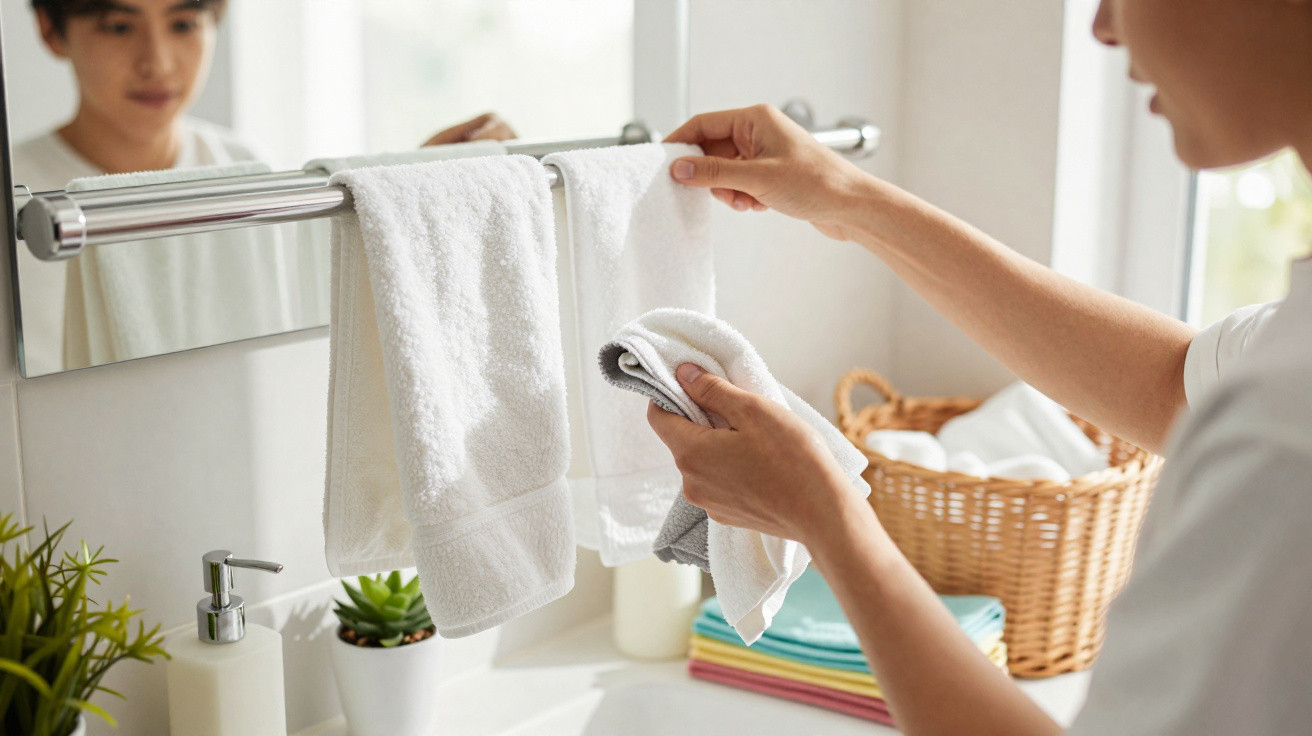
- The underside of the bin and the fabric of damp mats;
- The lower tracks of the glass shower enclosure and silicone corners;
- Gaps and fixing screws around the toilet.
How can hygiene be maintained for longer?
Following a routine that carefully addresses small components ensures the definitive removal of unpleasant odours from the room. Regularly disinfecting mats and bin bases prevents remaining moisture from becoming a source of bacterial growth.
With these simple, consistent preventative measures, the atmosphere in the home becomes far lighter and more comfortable for residents. Looking after every unnoticed corner ensures a healthy setting that is fully protected from the nuisance of domestic sewer gases.

Comments
No comments yet. Be the first to comment!
Leave a Comment