
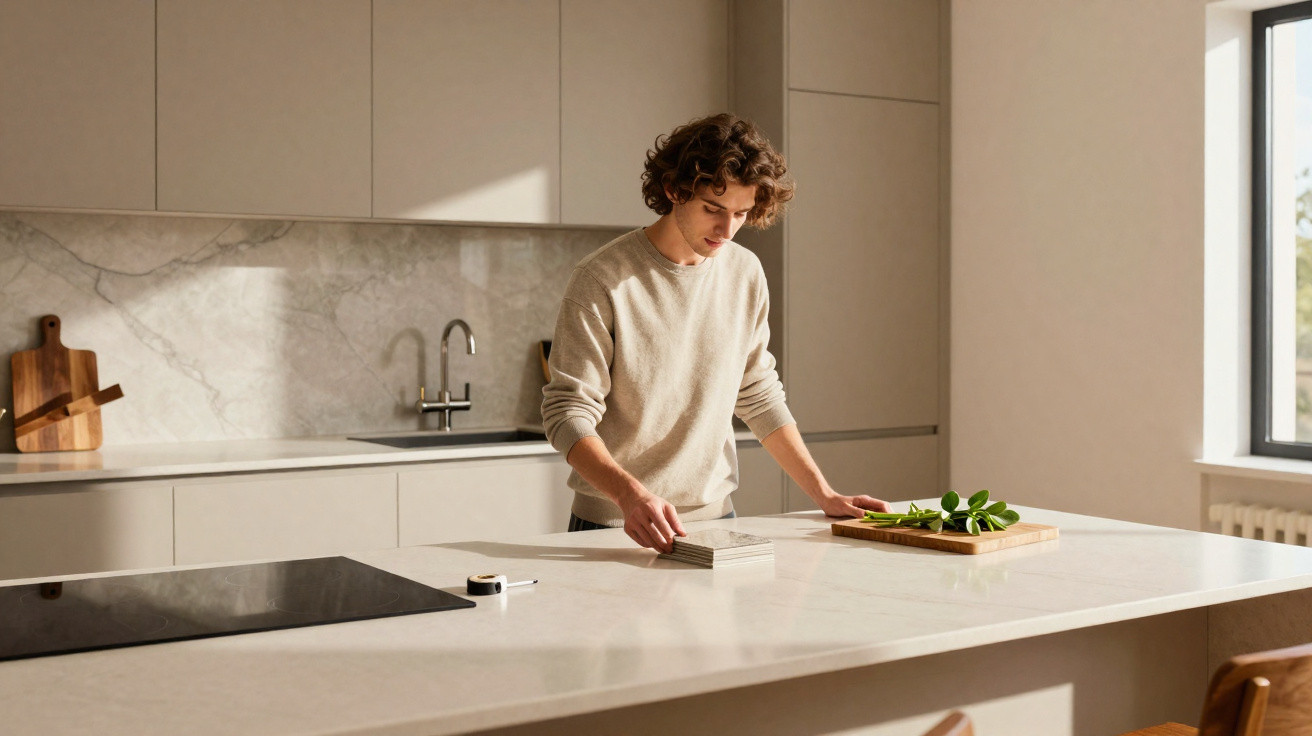
Granite still features in many schemes, but it has lost ground as a kitchen worktop, where convenience, straightforward upkeep and a seamless finish carry greater weight in the decision. In 2026, large-format porcelain slabs are gaining momentum: they can be fitted over the existing base, stand up well to everyday use and deal more effectively with stains without disruptive demolition work.
Why has granite become less popular in modern kitchens?
Natural stone retains its visual appeal, yet kitchen routines have changed. People renovating today want a surface that is easy to clean, less porous and laid out in broad expanses with fewer joints. In this context, granite is criticised for requiring sealing in many cases and for considerable variation from one slab to another, which does not always suit more precisely crafted cabinetry.
The market view has shifted too. Recent reports from suppliers and design publications point to growing use of porcelain slabs and ultra-compact surfaces among 2026 choices, largely because of their lighter appearance, slim edges and drier installation process. The 2026 trend does not remove granite from consideration, but it moves preference towards materials with more predictable maintenance requirements.
What do porcelain slabs offer for a kitchen worktop?
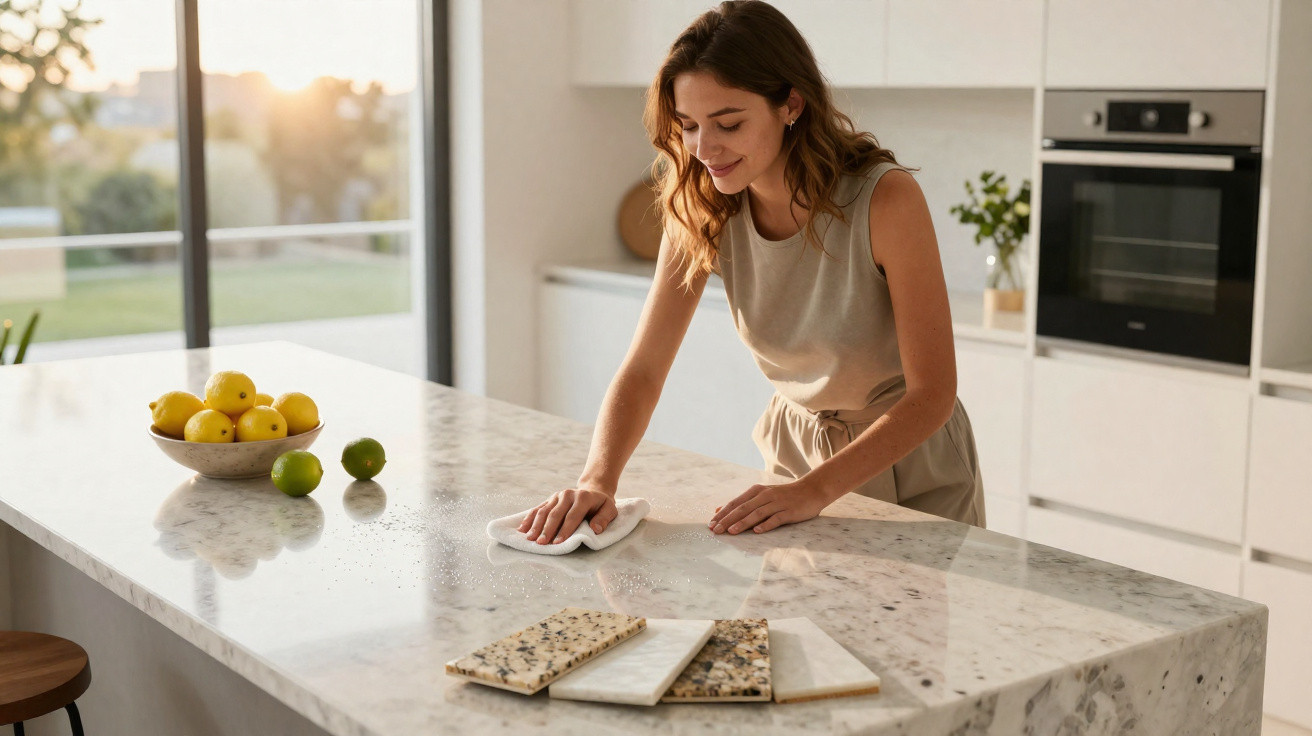
Porcelain used for worktops is not the standard tile used on floors. It is supplied in large-format slabs with low absorption, a continuous pattern and thicknesses that can be used for a splashback, island and even a wall panel in the same material. For those who cook every day, this matters because coffee, sauce and grease are generally easier to remove from a low-porosity surface.
In practical terms, a porcelain-clad kitchen worktop stands out for four reasons:
- lower likelihood of permanent marks from pigmented liquids
- a consistent finish, with less visual variation than natural stone
- the option to install it over the existing base, depending on the structure
- competitive costs in projects that avoid demolition and waste removal
Can it really be done without refurbishment, or does the existing base matter?
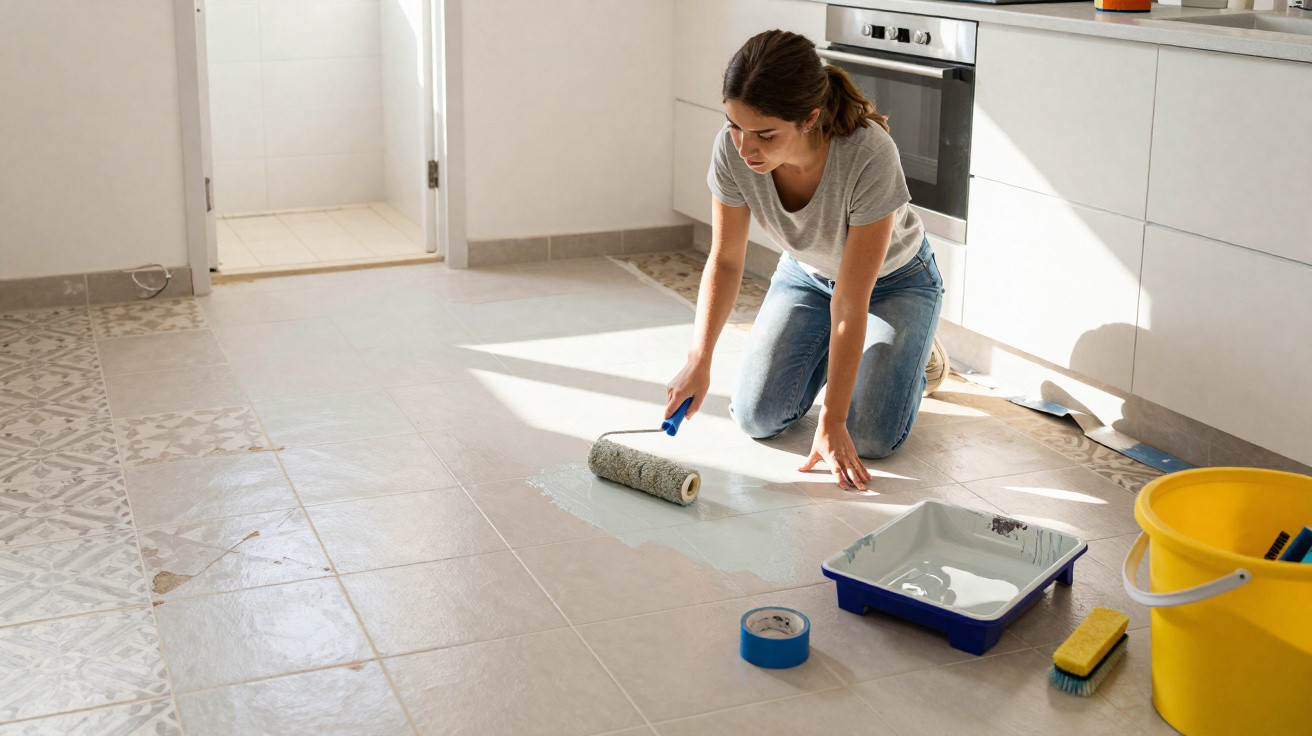
It does depend on the base, and this detail prevents disappointment. When the kitchen worktop structure is sound, level and free from water ingress, many installers can fit porcelain over the old surface. This cuts down on rubble, speeds up the work and avoids altering the cabinetry, sink and surrounding wall finishes. The promise of a cleaner installation is valid, but only after a technical inspection.
Before agreeing to a quote, it is worth checking a few objective points:
- whether the base can support the new cladding and the sink cut-out
- whether there are uneven edges or hollow areas
- whether the front edge of the worktop can accommodate the new finish
- whether sockets, splashback and tap require millimetre-precise adjustments
How does the 2026 trend shape kitchen design?
The 2026 trend is not limited to the material itself. It also brings slimmer worktops, splashbacks in the same finish, warm tones and a less visually busy look. Porcelain works well within this approach because it can replicate stone, concrete or marble without requiring the same visual treatment as a natural slab with strongly pronounced veining. The result is usually a more continuous kitchen that is easier to combine with timber-effect cabinetry, brushed metal and integrated appliances.
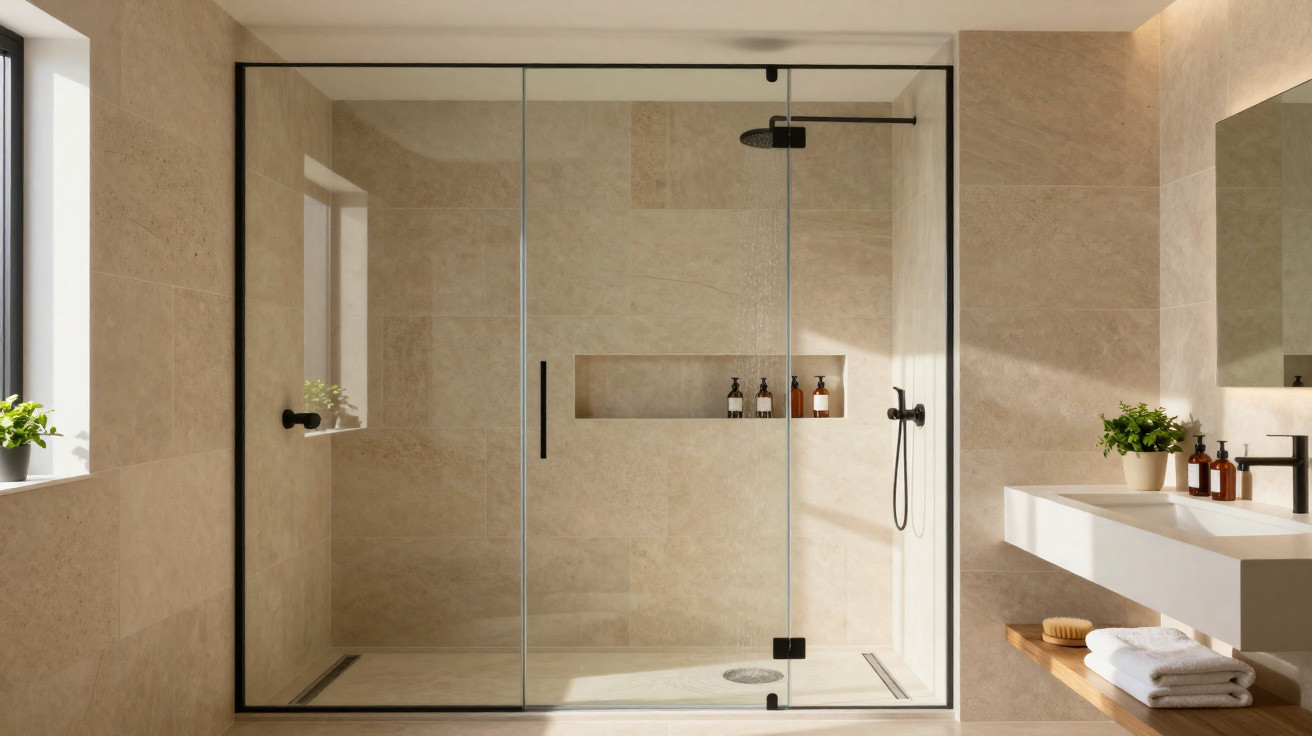
Versatility is another key benefit. The same slab can continue up the wall, wrap the island and form the sink niche, helping to reduce visual breaks. In this arrangement, granite can appear more traditional, while porcelain is better aligned with compact layouts, new-build flats and rapid refurbishments.
Is it worth replacing it now or waiting for the next finishes cycle?
If the current kitchen worktop is worn, stains frequently or looks visually heavy compared with the rest of the room, the market is now better prepared for overlay solutions. Granite remains functional, but porcelain is a closer fit for what consumers seek today: less maintenance, a continuous appearance and a controlled installation from start to finish.
Over the coming months, the 2026 trend is likely to remain strong in residential projects because it combines a contemporary language, rational installation and performance suited to the routines of preparation, cleaning and movement through the space. In small or open-plan kitchens, this combination matters more than the tradition of natural stone and helps explain why so many specifications have moved towards large ceramic slabs.

Comments
No comments yet. Be the first to comment!
Leave a Comment