
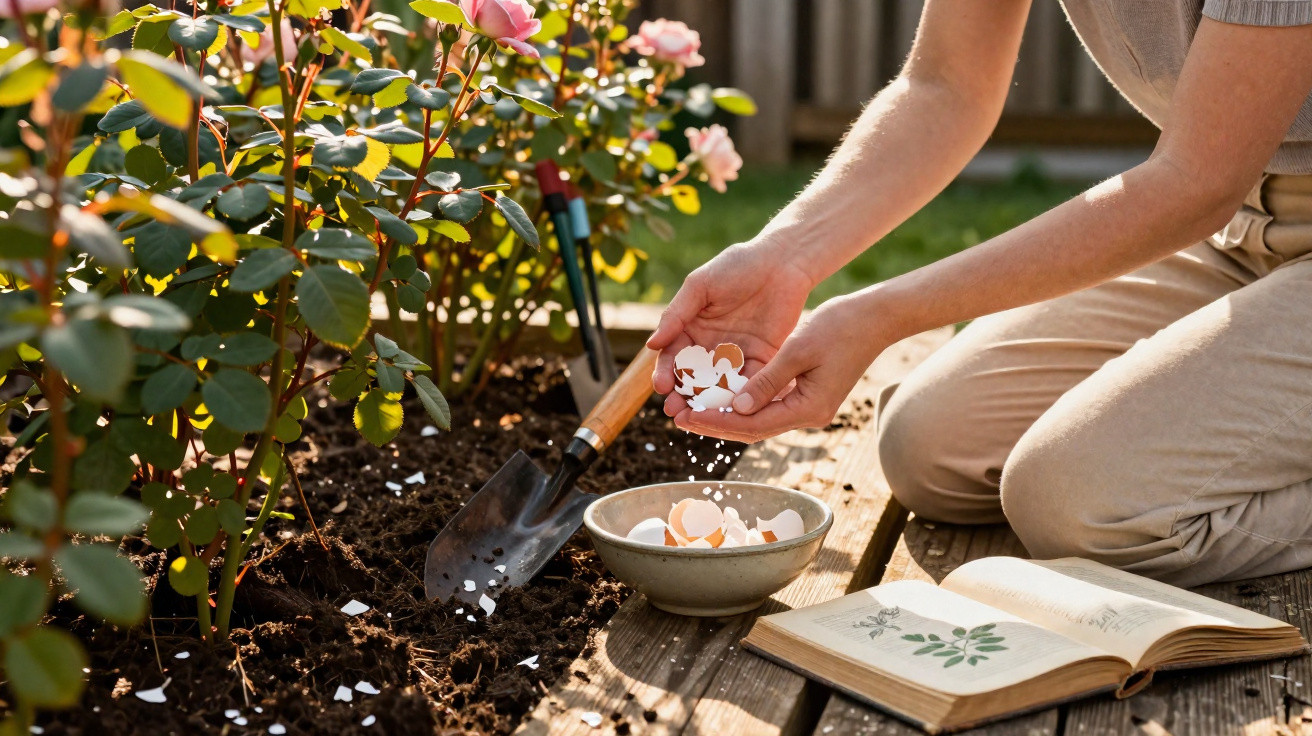
Growing flowers at home calls for ongoing attention to the soil to ensure abundant blooms throughout the year. Adding organic waste to a flower bed improves plant vitality and reinforces roots in a completely sustainable, economical way.
Why do eggshells benefit rose bush soil?
The mineral structure of this kitchen item supplies plentiful calcium during plant development cycles. This ongoing replenishment strengthens the shrub’s cell walls, encourages fresh growth and prevents deficiencies that can undermine healthy flowering.
The slow release of alkaline compounds also helps to balance the chemical composition of the growing medium around the roots. This adjustment supports effective uptake of other nutrients in organic fertiliser, producing sturdy stems with richly green, highly vigorous foliage.
Why hang eggshells from rose bush branches?
Placing this waste material on the branches creates a surprising effect against certain garden pests that commonly attack… Read more
How does British gardening guide this application?
British specialists advise thoroughly washing and drying the material before adding it to a flower bed. This initial step removes any remaining egg white or yolk, preventing unpleasant smells and discouraging unwanted animals from approaching a well-maintained garden.
British gardening tradition favours finely grinding the shells to speed up their biological breakdown in rose bush soil. Very large pieces can take years to release minerals, whereas smaller particles interact quickly and efficiently with microorganisms in the soil.
Below is a video from the Spagnhol Plantas YouTube channel with practical guidance on healthy cultivation:
Which steps ensure the waste is prepared correctly?
Begin by rinsing the shells under running water to remove any organic membrane left after use. Then leave the pieces in direct sunlight to ensure they dry evenly, making their structure brittle and easy to grind by hand.
Using a blender or pestle helps turn the dried fragments into a concentrated, even powder. This fine material can be kept in a sealed container for regular use on plants, ensuring the mixture’s quality remains fully preserved.
Essential kit
Items for preparation
Keep these simple tools to hand to process the material:
- Clean eggshells dried in the sun;
- A kitchen pestle and mortar or household blender;
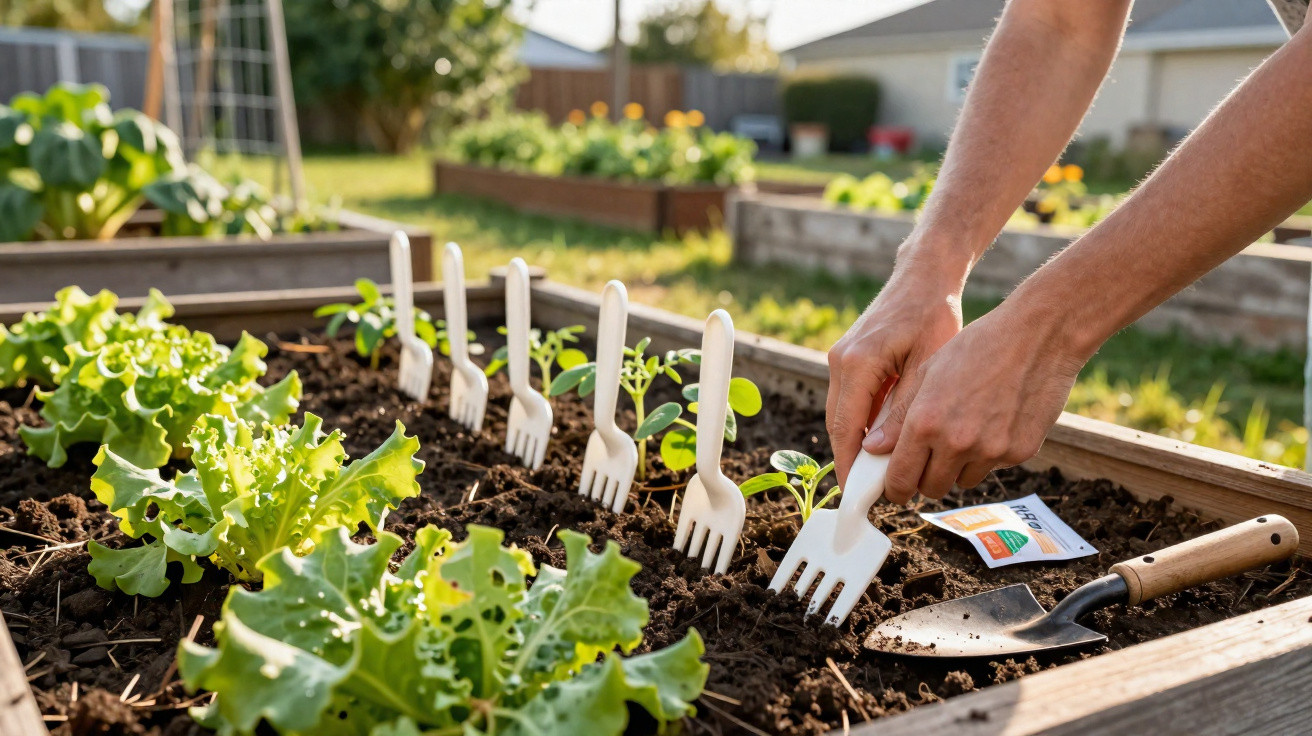
- A garden trowel for mixing it into the soil.
How should the material be worked into the soil around the plant?
Apply it by making a shallow hollow in the soil around the stem, leaving a few centimetres between it and the base. This precaution prevents damage to surface roots and allows the mineral to come into direct contact with soil moisture.
Once the powder has been scattered, cover the area again with a light layer of topsoil or dry leaves to protect the fertiliser. Then give it a thorough watering to begin integrating the nutrients and keep the plant well hydrated.
Follow these recommended measures for the best cultivation results:
- Apply the crushed powder every two or three months;
- Avoid allowing the fertiliser to touch the main stem directly;
- Water the flower bed as soon as the soil covering has been completed.
What results can be expected as rose bushes develop?
With a continued supply of natural nutrients, rose bushes respond by producing tougher stems and intensely green foliage. Their reinforced structure copes better with changing weather conditions, reducing heat stress and encouraging the development of very robust flower buds.
This sustainable method turns kitchen waste into a valuable ally for home gardening without creating extra costs. This organic approach delivers long-lasting, fragrant flowers, enhancing the garden with an attractive appearance and making the cultivation routine far more rewarding.
Comments
No comments yet. Be the first to comment!
Leave a Comment